

You notice it gradually, more hair in the drain, a thinner hairline in photos, or extra scalp showing under bright light. These changes occur slowly, even if they seem to appear all at once when you finally notice. By age 50 (sometimes earlier), many men experience some degree of male pattern baldness. So, what’s really going on under the skin – and what can you do about it?
What Is Male Pattern Baldness?
Male pattern baldness (also called androgenetic alopecia) is a genetic condition. The hair follicles slowly change their function, following a pretty typical pattern: hair usually starts thinning at the temples or crown, then progresses in stages. As the process develops gradually, those first shifts are easy to miss.
This condition differs from other forms of hair loss. Stress can trigger temporary shedding (telogen effluvium), which is more diffuse and often resolves on its own. Not getting enough nutrients makes hair weak, but things improve once your body catches up. Alopecia areata appears as random patches and is linked to your immune system. Male pattern baldness follows a structured progression that clinicians track using the Norwood Scale, which helps identify how far the process has advanced.
Male pattern baldness is a medical condition. It’s not caused by poor hygiene, wearing hats, or not washing your hair enough.
The Biology – What’s Actually Happening to Your Hair
Here’s how it works: hair grows in cycles, and every follicle passes through three main stages.
| Phase | What Happens | Duration |
| Anagen | Active growth phase | 2 to 7 years |
| Catagen | Transition phase, growth slows | A few weeks |
| Telogen | Resting phase, hair sheds | 2 to 3 months |
If your hair is healthy, most of it stays in the growth stage, which keeps everything looking full. With male pattern baldness, though, that balance tips.
The growth phase shortens, and the follicles actually shrink (that’s called miniaturization). Each cycle of new hair growth produces hair that is thinner, shorter, and paler. With time, some follicles manage to grow almost invisible hair – or stop producing hair at all.
A simple way to understand this process is to imagine a plant that gets less water each week. It still tries to grow for a while, but every new leaf is tinier and weaker, until development slows significantly.
The Real Culprit: DHT and Your Genetics
Dihydrotestosterone, better known as DHT, sits at the heart of male pattern baldness. The body turns testosterone into DHT with the help of the 5-alpha reductase enzyme. While DHT is important during puberty and male development, it continues to affect hair follicles well into adulthood.
If your genes make your hair follicles sensitive, DHT can latch onto specific spots on your scalp – usually at the temples or crown. Bit by bit, the follicles get smaller. With each hair cycle, this pattern keeps repeating, leading to noticeable thinning over time.
Genetics are what set the level of sensitivity. Some men’s follicles react strongly, others barely notice DHT at all – which explains why two guys with similar hormone levels might have totally different hairlines.
And about the old myth: hair loss isn’t just something men inherit from their mother’s side. Multiple genes from both parents play a part in how your follicles react. The key point is clear. Male pattern baldness depends on how your follicles respond to DHT, not on how much testosterone you have overall.
Why It Starts When It Does – Age, Hormones, and Triggers
Male pattern baldness usually shows up late in the teen years or sometimes in the twenties or thirties. You start to see it after puberty, once DHT levels rise and start working on any vulnerable follicles. Since hormones even out in early adulthood, the process tends to unfold gradually.
Other external factors, such as ongoing stress, poor sleep, or rapid weight loss, can push more hair into the shedding phase. When that happens, hair can seem to thin out quickly, but really, the underlying pattern has been in motion for a while.
These triggers don’t cause male pattern baldness on their own. They just speed up what’s already in play. Managing stress or sleep helps your hair look healthier, but it won’t undo the genetic script.
Non-Medical Treatments: Scalp Serums and Topical Solutions
Many men prefer to begin with non-medical treatments, especially at the first signs of thinning. A scalp treatment for men makes the scalp a better place for hair to hang on, especially when you stick with it consistently.
- Peptides can help keep follicles in their growing phase
- Caffeine might cut DHT activity right at the scalp
- Niacinamide and retinol smooth things out for the scalp and encourage skin renewal
- Saw palmetto offers a mild, plant-based way to nudge DHT levels down
When used regularly, these ingredients can help the scalp and give hair a healthier look. They may slow shedding and make hair look fuller, but patience is key – a few months of steady use matter more than jumping from product to product.
It’s worth noting that these products won’t bring hair back from fully inactive follicles. They make the biggest difference early on, or as part of a bigger hair-care plan.
There are also other options, such as rosemary oil and scalp microneedling, that can help products penetrate more effectively and boost local circulation. These extras tend to work best as add-ons.
Whatever you pick, look for products that clearly list what’s actually in them – and contact your healthcare provider to find the best solution. Anyway, consistent use over several months produces better results than switching products frequently.
The Final Word
Male pattern baldness follows a clear biological process driven by genetics and hormones. Once you understand how it develops, the changes become easier to manage and plan for. Starting early gives you better odds, and staying steady usually pays off in the long run.
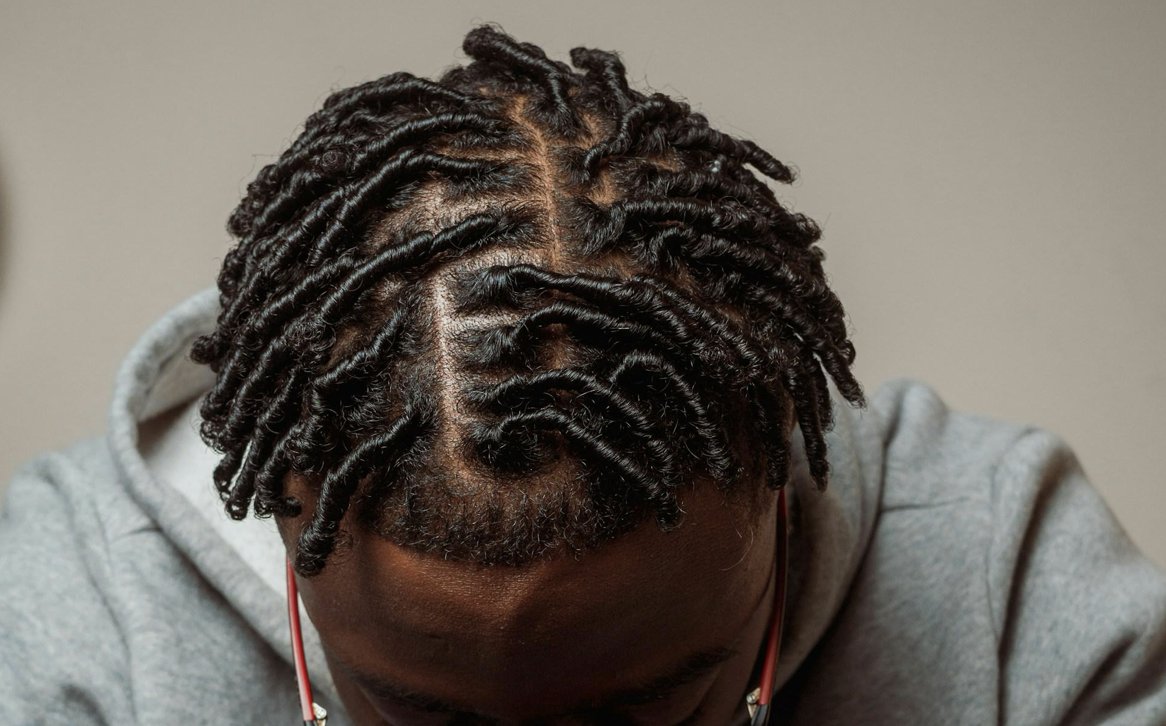
Photo by Larry George II on Unsplash