
The fallout from Sunday night’s BAFTA Awards is continuing to snowball. In the wake of an incident where a racial slur was shouted during the ceremony and subsequently left in the BBC’s delayed television broadcast, industry professionals are publicly taking a stand.
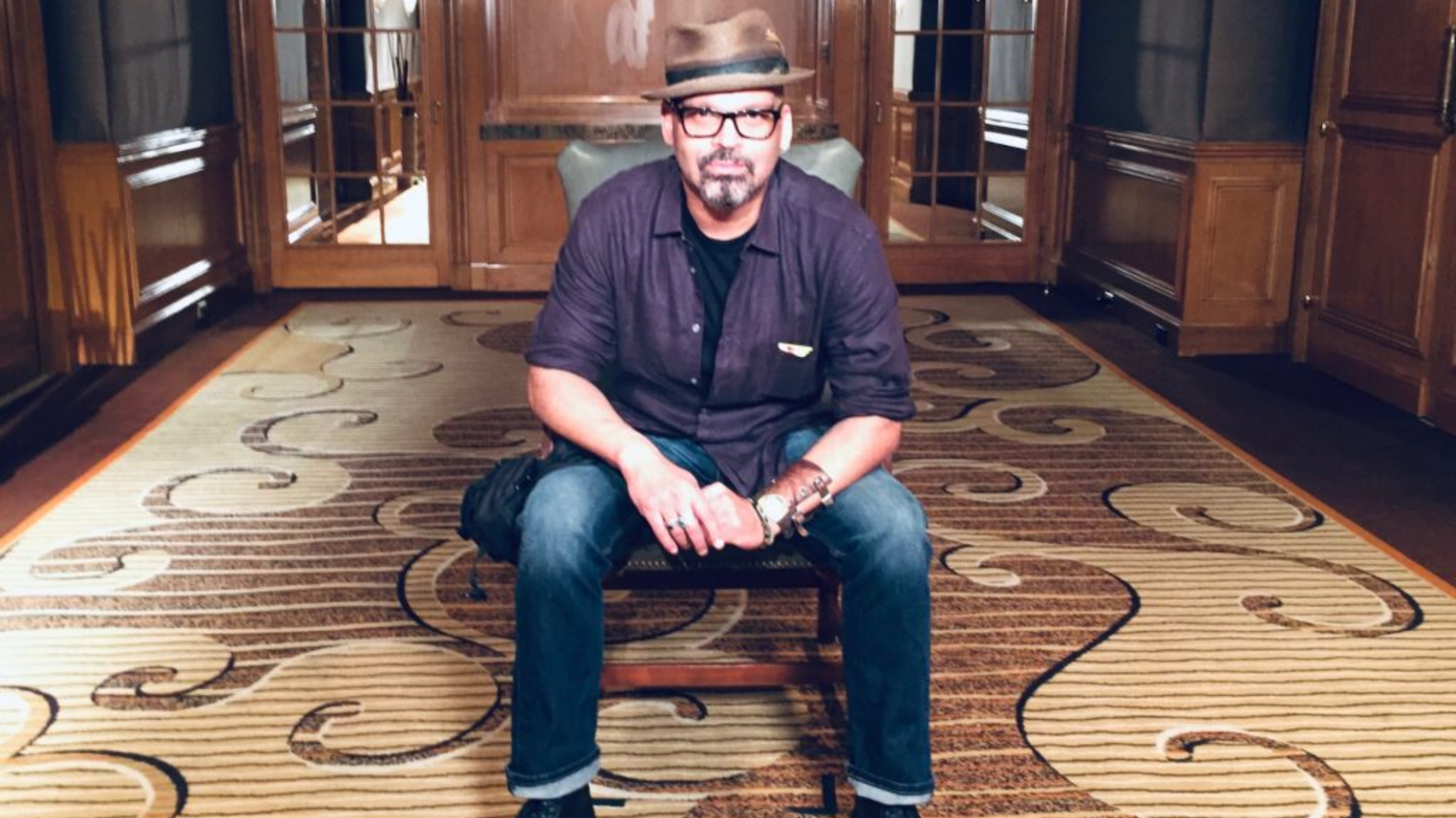
Most notably, filmmaker and BAFTA jury member Jonte Richardson has officially stepped down from his role, condemning the organization’s actions in a blistering series of LinkedIn posts.
For those catching up, the controversy began when actors Michael B. Jordan and Delroy Lindo took the stage to present the award for Best Visual Effects. During their presentation, John Davidson, a Tourette syndrome campaigner seated in the audience, experienced an involuntary verbal tic and shouted the N-word.
While the tic was related to his medical condition, the resulting outrage has been entirely focused on how BAFTA and the BBC handled the situation behind the scenes.
The BAFTAs are not broadcast live; they air on a two-hour delay on the BBC. This delay is specifically designed to give producers ample time to edit out inappropriate content. However, while the broadcast successfully cut out a “Free Palestine” mention and other profanities, the racial slur was inexplicably left in the final cut for millions of viewers to hear.
According to Deadline, Warner Bros., the studio behind Jordan and Lindo’s film, reacted immediately to the incident in the auditorium. Executives reportedly complained directly to BAFTA and explicitly requested that the slur be cut from the BBC broadcast. A source noted that BAFTA assured the studio their request would be passed along to the BBC, but the edit never happened. BBC producers later claimed they missed the slur because they were “working from a truck.”
The failure to protect the Black actors on stage, the disabled community, and the viewers at home has sparked massive industry backlash. Leading the charge is Jonte Richardson, a veteran who has worked in the awards space for nearly two decades.
Richardson took to LinkedIn to announce his resignation from the BAFTA emerging talent judging panel, calling out both organizations for their negligence.
In his initial resignation letter posted to his network, Richardson wrote:
“After considerable soul-searching, I feel compelled to withdraw from the BAFTA emerging talent judging panel. The organisation’s handling of the unfortunate Tourette’s N-Word incident last night at the awards was utterly unforgivable. I cannot and will not contribute my time energy and expertise to an organisation that has repeatedly failed to safeguard the dignity of its Black guests, members and the Black creative community. This is particularly unfortunate given that this year’s cohort boasts some incredible Black talent, especially one of my favourite shows of 2025 “Just Act Normal”. However, when an organisation like BAFTA, with its own long history of systemic racism, refuses to acknowledge the harm inflicted on both the Black and disabled communities and offer an appropriate apology, remaining involved would be tantamount to condoning its behaviour. I hope BAFTA leadership comprehend the damage they and the BBC have caused and take the necessary steps to ensure their production staff are inclusive enough to prevent such an issue in the future.”
But Richardson didn’t stop there. Over a list of follow-up posts, he dug deeper into the systemic issues plaguing the UK entertainment industry, specifically calling out nepotism, ableism, and a glaring lack of proper safeguarding.
In another post, he highlighted how the mishandling of the situation actively harmed multiple communities:
“I’ve worked on Awards shows for almost two decades, so for me the lack of safeguarding from the BBC and BAFTA for all parties involved is absolutely astounding. The damage they have done to the Black, Disabled and intersected communities is absolutely unforgivable. The unabashed racism and ableism that this situation has thrown up is completely unnacceptable. But alas the BBC and BAFTA will never be held fully accountable, instead they’ll wash their hands of the whole affair, sit back and watch the Black, Tourette’s and intersected communities fight for thier lives against a wave of misinformation and deliberate misunderstanding. A pox on both their houses.”
He also pointed out how this incident looks on a global scale, noting the UK film and television industry’s heavy reliance on American financial backing:
“I must say as someone who has been raising the alarm for decades. It’s a relief that the rest of the world has finally gotten a glimpse of just how unapologetically racist the uk industry is. Where it decides to go from here is important. The uk relies exclusively on u.s. finance to run. Surely even the white middle class nepo babies that control this thing, know that being an international laughing stock is bad for business”
Finally, Richardson laid out exactly what he believes it will take for BAFTA to actually bounce back from this disaster—making it clear that standard PR apologies will no longer cut it:
“As I’ve said with over a decade in the tv awards space – For the awards to have even the slightest chance of redemption, BAFTA ’s ‘extensive review’ MUST involve new senior leadership, a new untainted, truly inclusive production team/ prod company. And well practiced safeguards and unimpeachable oversight. Anything less will not rebuild the trust, both homegrown and internationally, that has been so severely damaged. The usual tinkering around the edges will not suffice. I know that means some of ya’ll school chums will have to step aside, but what you’ll lose in nepotism, racism, classism and ableism will be more than made up for with a re- legitimization of the show. :)”
Richardson’s departure and unfiltered critique show a growing frustration with how prestigious institutions handle race and basic broadcast safety.
With Warner Bros. confirmed to have raised the alarm before the telecast even aired, the “we missed it” excuse from the BBC is unexcusable. Whether BAFTA and the BBC will heed calls to clean house and rebuild trust remains to be seen, but for now, the organizations are facing a massive, self-inflicted crisis of credibility.