

Why your walls say more about you than your sneakers
A lot of men obsess over the right watch, the right cologne, the right fit, then live in apartments that look like they came furnished by a moving box company. Bare white walls, echo in every phone call, one lonely poster from college trying to hold it all together. Your space is part of your personal brand, especially if you work hybrid, host people, or create content from home. The backdrop behind you is telling a story before you even open your mouth.
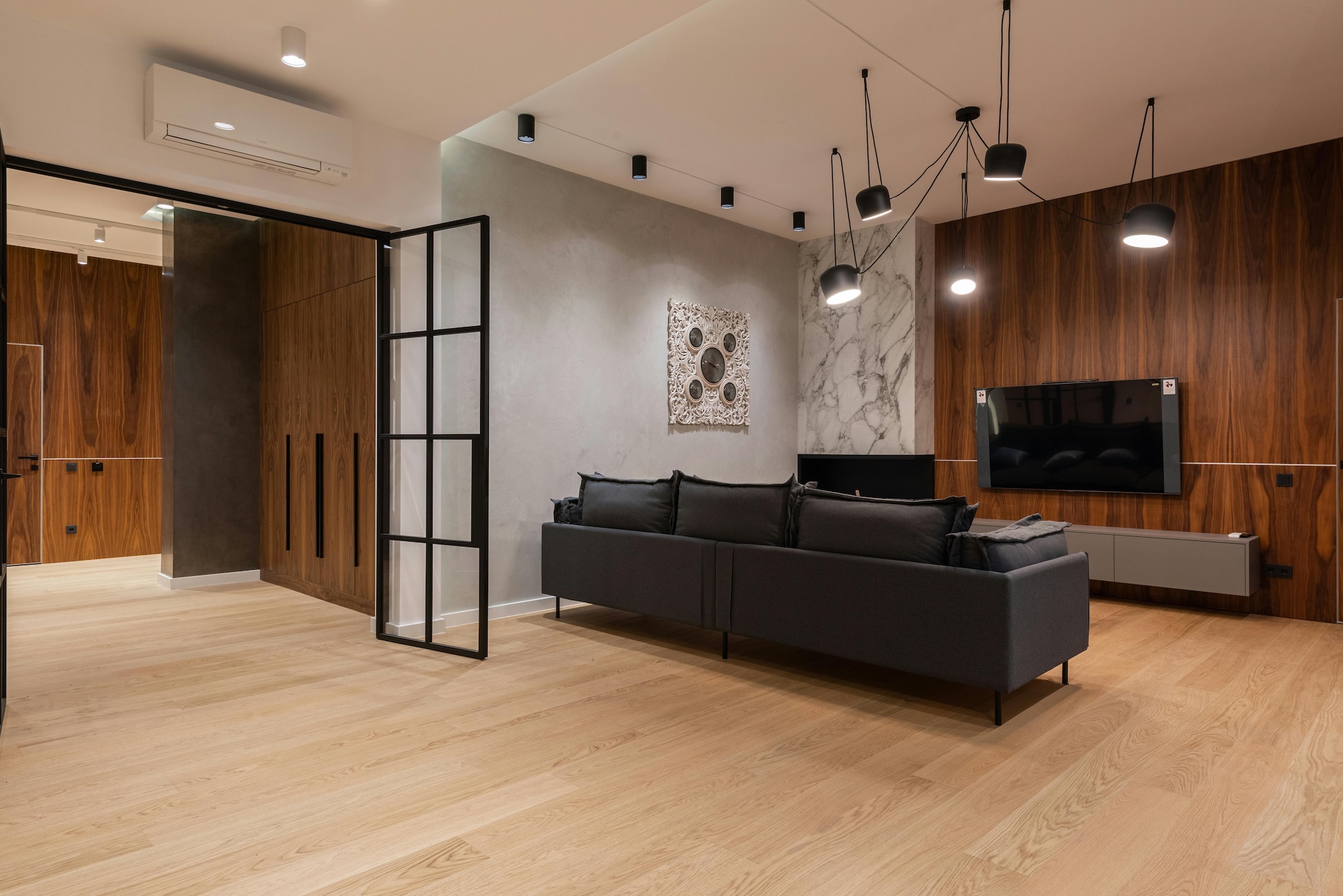
That is one reason textured walls have quietly become a status signal in men’s interiors. A simple painted wall reads temporary and generic. A wall with depth, shadows, and warmth suggests intention. It signals that you care about the environment you move through, not just the clothes you wear in it. Thoughtful wood wall paneling sits right in that sweet spot between grown-man polish and creative edge.
The new language of masculine style at home
Interior design for men used to get reduced to two clichés: the dark leather “bachelor pad” or the minimal white box with nothing but a TV and a couch. The current wave looks different. It leans into texture, layered lighting, art that reflects culture, and materials that feel serious without feeling stiff.
Warm, not sterile
When you walk into a well-designed men’s living room today, you feel a soft, enveloping calm instead of a cold gallery vibe. Think walnut tones, grounded grays, and deep charcoals paired with textured fabrics. Wood panels bring visual warmth and automatically take a room out of that “rental white” purgatory. A single paneled wall behind the sofa or TV can make inexpensive furniture look more elevated because the backdrop feels permanent and crafted.
Texture over clutter
Most men do not actually want more things; they want better things. Texture is a way to add interest without adding clutter. Vertical slats, fluted profiles, or geometric wood mosaics catch light differently throughout the day and create movement even in a neutral palette. Instead of filling shelves with objects that collect dust, the wall itself does the visual heavy lifting.
Sound and style in the same move
If your space doubles as an office, studio, or gaming zone, you know the struggle of echoey audio. Hard surfaces bounce sound, which makes calls and recordings feel harsh. Strategically placed wood panels paired with soft furnishings can tame that echo and take the “tin” out of your voice on Zoom. It is a style upgrade that secretly doubles as a performance upgrade.
Strategic wall upgrades for different rooms
You do not need to wrap your whole place in timber for it to feel intentional. A few smart wall moves in the right zones can change the entire energy of your home. Think like a stylist working with key pieces instead of rebuilding the whole wardrobe from scratch.
Living room feature walls that frame your life
The living room is where your taste is judged the fastest. This is where people clock what you are reading, what you are streaming, and how you host. A panelled feature wall behind your TV instantly turns the media zone into a focal point. It helps hide wires, anchors the screen so it does not feel like it is floating in space, and adds a cinematic backdrop when the lights are low.
Another play is to panel the wall behind your main sofa, then keep art simple and large scale. That combination reads editorial and confident, like something from a style magazine spread. Put a slim picture light above a single framed photograph or print and you have a room that feels curated rather than improvised.
Bedrooms that feel like boutique hotel suites
A lot of men treat their bedroom like a charging station instead of a sanctuary. The easiest way to shift that energy is behind the headboard. Extending panels across the full width of the wall, or even up onto the ceiling a few feet, creates a cocoon effect. The lines draw the eye in, which makes even a small room feel intentional and pulled together.
If you lean darker with the wood tone and pair it with layered bedding and warm lamps, the room starts to give boutique hotel. Softer sound, softer light, and more visual depth change how you sleep and how you feel when you wake up.
Workspaces that look sharp on camera
Your background on video calls is doing quiet PR for you. Shelves overflowing with stuff or a blank white wall do not send the best message. A simple paneled strip behind your desk, with a few well-chosen objects or framed records, says you understand presentation. It also means you can keep the rest of the room more relaxed while your on-camera corner stays sharp and consistent.
How to choose a wall style that fits your personality
Just like personal style, wall finishes should reflect you, not a random Pinterest board. Start with the mood you want in the room, then match materials to that energy instead of chasing trends blindly.
The executive
If your style leans tailored, structured, and classic, look to straight, evenly spaced slats in dark or mid-tone woods. Think black, espresso, or smoked oak tones paired with simple black metal lighting and clean-lined furniture. This combination feels like a private corner office without losing its comfort. Add a large rug and heavy curtains and you have a space fit for both deep work and slow whiskey nights.
The creative
If your wardrobe has more sneakers than dress shoes and your playlists stretch from jazz to Afrobeat, you might gravitate toward more expressive patterns. Fluted walls, hexagon layouts, or mixed-width slats add rhythm and movement. Keep the color palette warm and neutral, then layer in art, books, and objects that tell your story. The wall sets the beat, you improvise on top.
The minimalist
Minimal does not have to mean sterile. If you prefer a clean, almost monastic environment, look at pale woods with tight, refined lines. The texture of the paneling replaces the need for busy decor. A single plant, a sculptural lamp, and one strong artwork are enough when the wall quietly adds dimension in the background.
Practical tips so your upgrade looks intentional, not random
Strong materials can overwhelm a space if they are used without a plan. A few rules of thumb keep things from slipping into “DIY experiment” territory.
Respect proportions and sightlines
Let the room guide you. In a smaller space, a single accent wall is usually enough. In larger, open-plan areas, you can wrap a corner or frame an architectural element like a hallway opening. Follow natural sightlines: what you see first when you walk in, or what dominates your camera view, deserves the most attention. That is where paneling will have the highest impact.
Pair with the right lighting
Wood comes alive under layered lighting. Recessed lights alone can flatten the effect. Add wall washers, slim sconces, or a floor lamp that throws light across the panels instead of straight at them. The shadows between slats or grooves become part of the design, much like tailoring details on a suit.
Balance with soft surfaces
To keep a room from feeling too rigid, balance structured wall details with softness elsewhere. Rugs, upholstered furniture, curtains, and even large floor cushions keep the energy relaxed. This is especially important in media rooms and bedrooms, where comfort matters as much as aesthetics.
Building a space that grows with you
Your home should evolve the way your style does. Good wall choices provide a strong backbone so you can change art, furniture, and accessories without starting over. A well-chosen paneled feature can outlast multiple sofa swaps and trend cycles because it speaks to proportion, sound, and warmth rather than a passing aesthetic moment.
When your walls are working for you, everything in front of them looks more intentional. Your fit, your furniture, even your conversations feel different in a space that has weight and character. It is not about chasing perfection. It is about living in rooms that match the man you are becoming, not the college kid you used to be.