

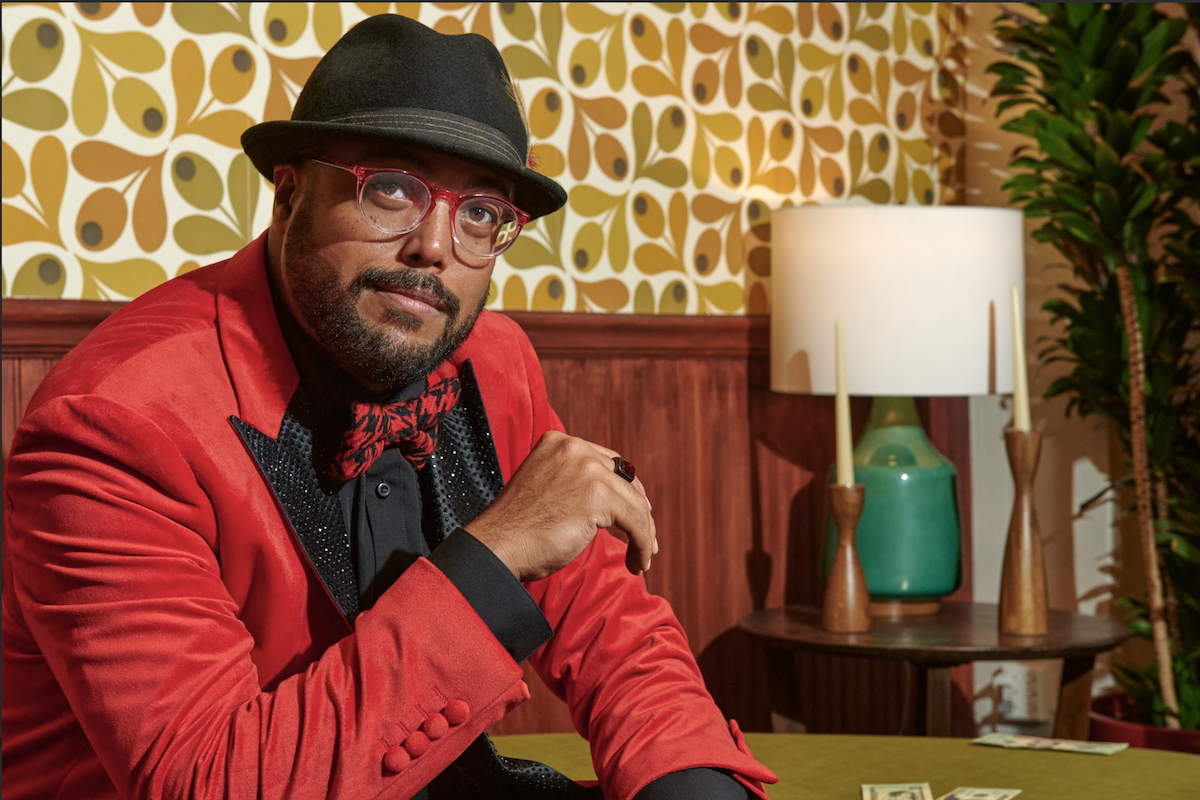
For most of my professional life, I have been the only Black man in the room. The only Black executive at the leadership table. The only Black board member in a regional arts organization. The only African American in my MBA cohort. Earlier still, one of the only Black students in gifted programs growing up.
At first, I felt the weight of it. You walk into a room and instantly know you represent more than yourself. You are hyper aware of your tone, your preparation, your posture. You feel the pressure to be exceptional because average feels risky. You wonder whether you are being evaluated as an individual or as a representative sample. That kind of visibility can feel like a spotlight you did not ask for.
Early in my career, I treated that spotlight as something to survive. I focused on proving I belonged. I overprepared. I overdelivered. I stayed late. I made sure no one could question my competence. But over time, I realized something important. Visibility is not just pressure. It is positioning.
My philosophy, which I call Side Hustle and Flow, is rooted in blending street smarts with book smarts. The hustle is structure, discipline, and strategy. The flow is awareness, emotional intelligence, and timing. I grew up learning how to read a room before I had the vocabulary to explain it. Later, earning my MBA gave me frameworks for finance, operations, and leadership.
When I combined the two, everything shifted. Instead of asking, How do I fit in here, I began asking, What does my position allow me to see that others cannot? When you are the only one, people notice when you speak. They remember your questions. They associate your face with decisions and outcomes. In business, attention is scarce. If you already have it, whether you asked for it or not, that attention can become leverage.
As Vice President of Digital and Operations at a beauty tech company, I often sit in rooms where I am the only Black executive voice. Rather than shrinking, I learned to ask sharper questions. How does this strategy impact the communities we say we serve? Are our diversity initiatives measurable or symbolic? Where are we leaving revenue on the table because we do not fully understand segments of our customer base?
Those are not just social questions. They are business questions. Street smarts allowed me to see cultural blind spots. Book smarts allowed me to quantify the impact. I could tie inclusion to customer acquisition, representation to retention, and trust to lifetime value. When you frame perspective in terms of performance, you stop being ornamental and start being operationally essential. Communication became the multiplier.
I joined Toastmasters because I understood that clarity is power. As a Black man in corporate America, there is often unspoken pressure to code-switch. Some label polished communication as talking white. I reject that framing. It is not about being white. It is about being right. It is about being effective.
Effective communication means articulating ideas clearly, persuading across differences, and being understood by everyone in the room. Toastmasters taught me how to structure arguments, manage pace, reduce filler words, and project authority without aggression. That skill matters when perception can determine opportunity.
Combined with my Side Hustle and Flow mindset, communication became currency. Street smarts helped me read the emotional temperature of a room. Book smarts helped me back my ideas with data. Clear delivery ensured both landed. When people consistently understand you and see results tied to your input, they begin to associate you with clarity and competence.
The same pattern showed up when I served as the only Black board member of a regional symphony society. I did not approach conversations about representation as moral appeals alone. I framed them in terms of growth. If we diversify programming and outreach, we expand audience segments. If we engage new communities, we increase ticket sales and donor pipelines. That shift in framing led to new partnerships and stronger community positioning. Visibility became leverage because I attached it to outcomes.
Even during my MBA program, where I was often the only Black student in the room, I realized that difference creates memorability. Professors remembered my contributions. Peers sought my perspective. Those relationships later translated into network value and opportunity. In business, being remembered is currency. When memorability is paired with measurable results, it compounds.
There is a critical distinction here. Visibility without strategy leads to exhaustion. Visibility with strategy builds equity.I made a conscious decision not to become the diversity mascot. I would not perform outrage for free or carry every conversation about race. I would choose when to lean in. I would connect my perspective to decision quality, risk mitigation, and revenue growth. I would focus on value creation.
Over time, that approach expanded my scope, increased my authority, and opened doors to advisory roles and board invitations. Opportunities came not because I was a token, but because I consistently demonstrated that my vantage point improved outcomes.
We absolutely need more seats at the table. If you aren’t given one, bring a folding chair.
Representation should not be rare. Structural change matters. But while you are in that seat, you have a choice. You can experience visibility as pressure, or you can treat it as positioning.
Blend hustle with flow. Blend street smarts with book smarts. Develop the communication skills to ensure your insight lands. Tie your perspective to performance.
Visibility can feel like a spotlight. If you learn how to use it, it becomes valuable currency.
About Cliff Beach:
Cliff Beach is an award-winning musician, radio host, beauty-tech executive, and author of Side Hustle & Flow: The Daily Grind, the latest book in a three-part series helping high achievers stay focused and pursue their biggest goals with intention. After being eliminated from American Idol in 2003, Cliff built his own path, creating a successful executive career while sustaining a six-figure side hustle as an independent soul artist. Today, with nearly two decades of live performance experience in Los Angeles, he has performed everywhere from intimate venues to TEDx Napa Valley and is the recipient of multiple awards and accolades, including the John Lennon Songwriting Contest Winner, Bronze Global Music Award and others. Connect with Cliff on Instagram @cliffbeachmusic or learn more about Cliff on his website.