

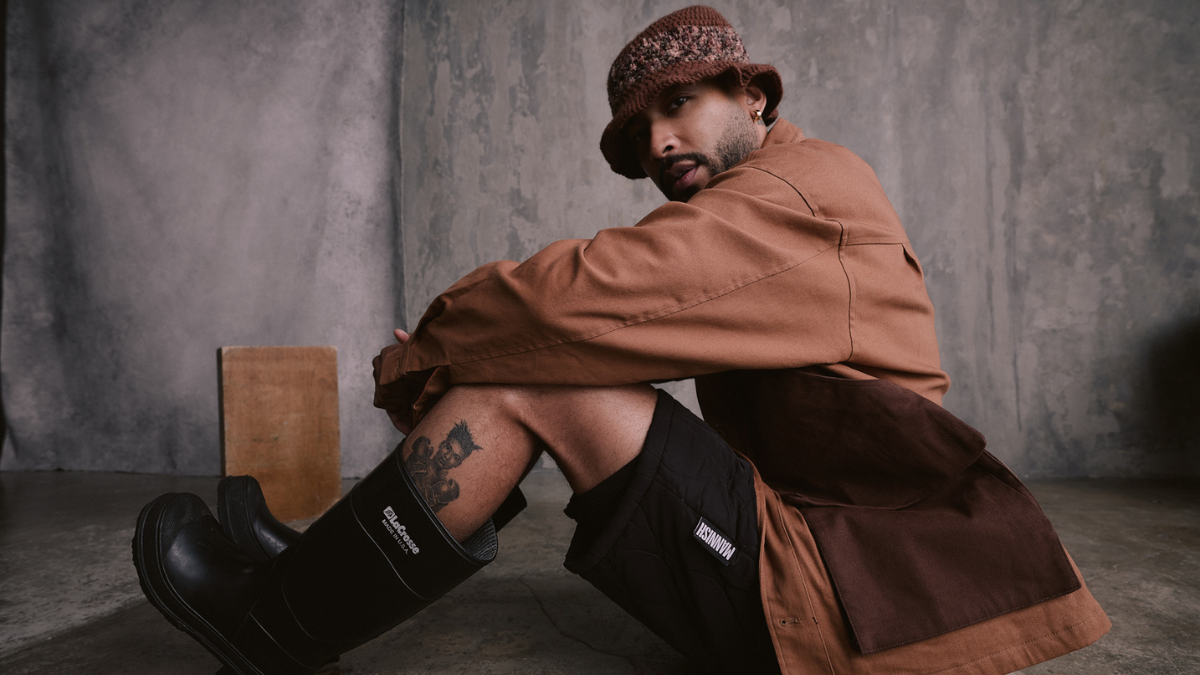
Before stepping behind the scenes as the founder and creative director of MANNISH, Gregory DeAnda cut his teeth in the fashion industry as a model. That hands-on experience, combined with a lifelong appreciation for style instilled by his mother, ultimately pushed him to carve out his own creative lane.
Named in homage to the iconic Muddy Waters track Mannish Boy, the brand is a soulful reflection of DeAnda’s diverse upbringing and his deep respect for the cultural impact of blues music.
DeAnda recently launched his debut unisex collection, artists+immigrants, a personal project that culminates his journey through the Pacific Northwest, London, and Cape Town. Having spent a portion of his youth growing up in Montana, DeAnda was heavily influenced by the rugged, effortless style of local cowboys and the meticulous craftsmanship of his stepfather, a silversmith. That distinct demand for durable, highly functional clothing serves as the foundation for the new line.
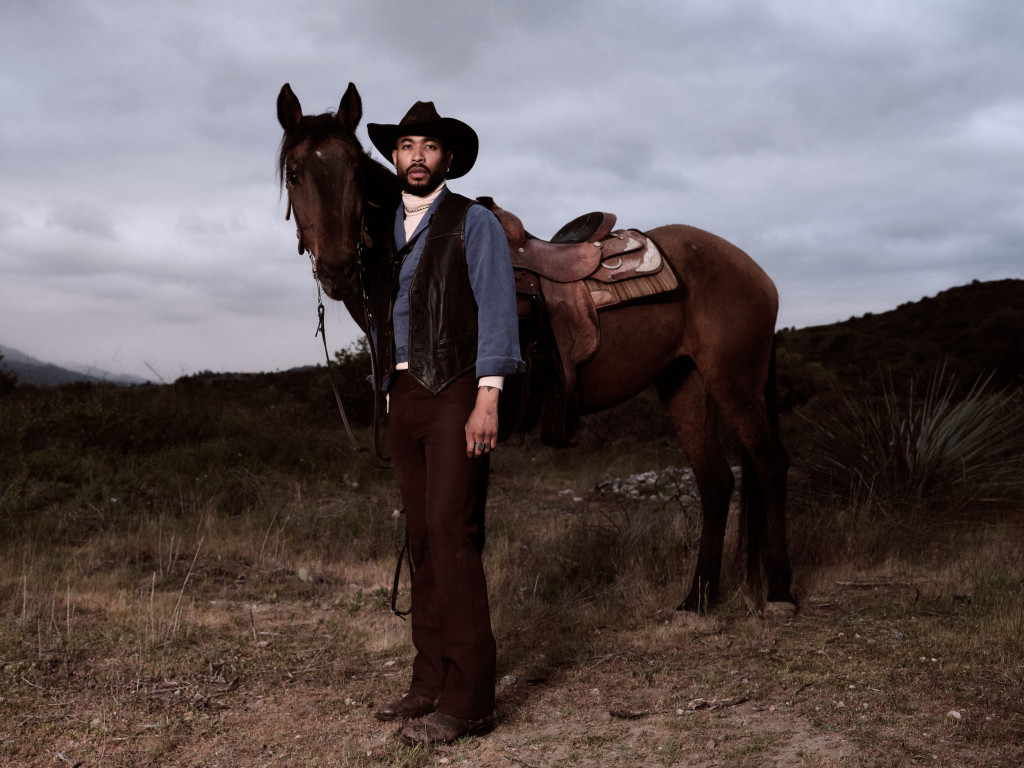
Crafted with intention and built to last, the collection is designed to be highly inclusive, offering the kind of everyday practicality and utility that everyone can appreciate.
We recently sat down with the Oakland-born designer to dive into the story behind MANNISH. In our exclusive interview, DeAnda opens up about the heartfelt inspiration behind artists+immigrants, the realities of navigating the fashion industry, and the undeniable importance of representation and community building for Black and Brown creatives.
[Interview has been edited for length and clarity]
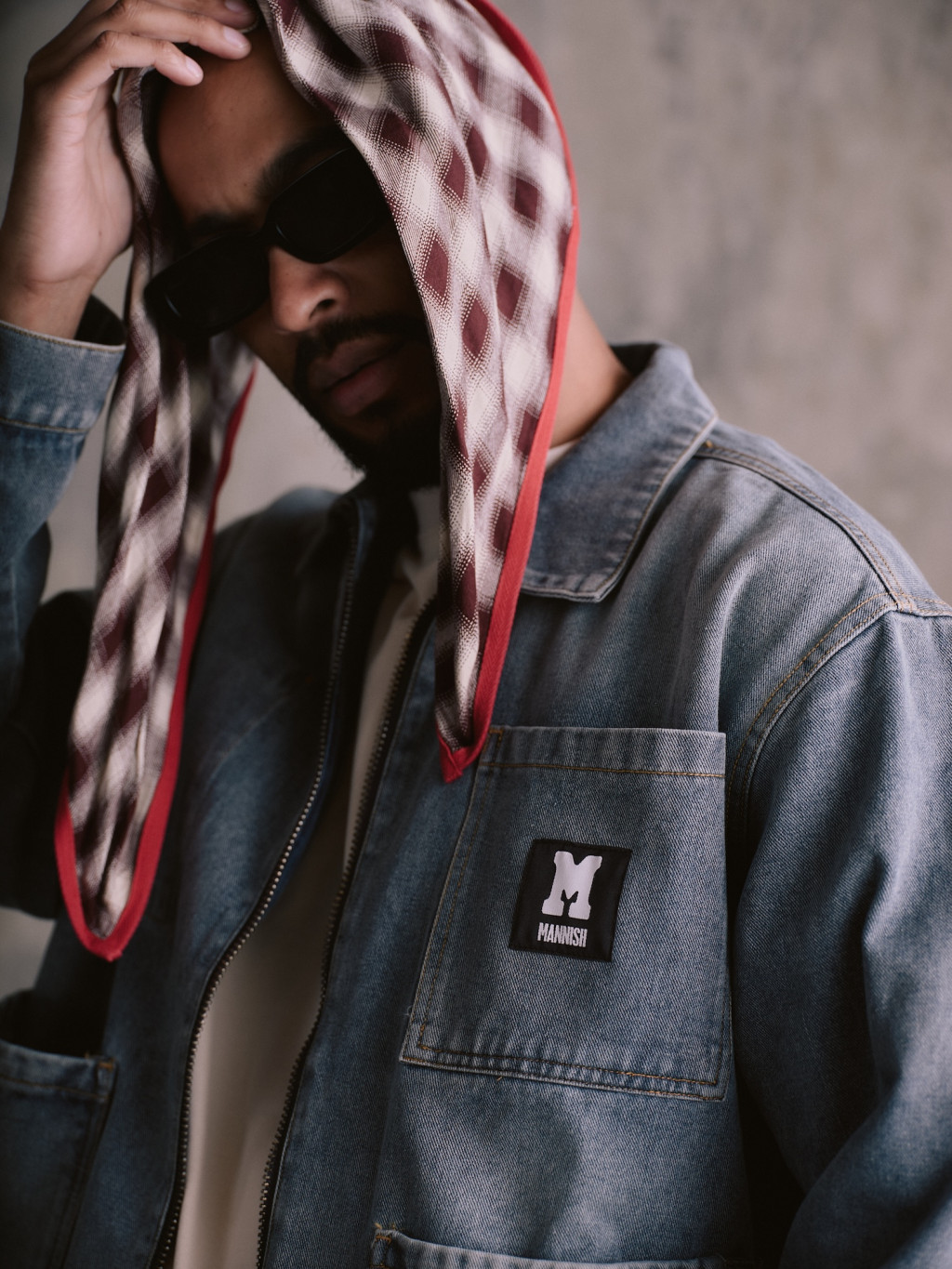
The Quintessential Gentleman: You started off as a model. Was that your first introduction into the industry?
Gregory DeAnda: Yeah, I would say so. That’s when I really got to be around creatives working at a high clip, which allowed me to observe them and figure out if the industry was for me. Acting is something I’ve always been chasing, and I knew getting comfortable in front of the camera was something I needed to get down, so modeling was my earliest introduction into that. I’ve also always had a passion for clothes instilled in me by my mom, who is a stylish Mexican lady. I was an only child, so I had to go shopping with her, and she would ask me for my opinion on how to style things.
QG: What age did you start modeling, and what was that first gig?
GD: I started late, around 25. Breaking into the industry wasn’t easy for me at the time because they were searching for people who looked like the exact opposite of me. My first photo shoot was for Zumiez, which was a big, full-circle moment because that’s where I shopped growing up. However, when I put on their t-shirts to model, I felt like I could create something a little better than what they were selling. I didn’t have the resources to start a brand immediately, but I had spent most of my life thrifting. I started upcycling pieces I found in Goodwills and thrift stores, learned how to screen print, and began sewing on them. That was the earliest iteration of what MANNISH Boy is today.
QG: What was the inspiration behind the brand name MANNISH Boy?
GD: Modeling is a creative outlet, but you are only a piece of someone else’s vision. I felt like I needed my own outlet, and MANNISH Boy filled that need for me. The heart of the name comes from my love of blues music. Muddy Waters was one of the first Black artists to cross over into white radio, helping establish Chess Records and paving the way for artists like Etta James, Little Walter, and Howlin’ Wolf. Knowing how much influence they had, it just felt right to name the brand after Muddy Waters’ song Mannish Boy.”
QG: How did living in Montana inspire MANNISH Boy?
GD: In Montana, there were cowboys who weren’t trying to be stylish, but they looked cool because their clothes were worn in and functional. That influenced my first collection, which is rooted in workwear. Everything I know about clothes is that they have to function and protect you from the elements. I cultivated this collection by finding pieces that translate that functional durability but are modernized to fit city life.
QG: The collection is unisex and titled “Artists and Immigrants.” Where did that name come from?
GD: My mom came here as a teenager, and it’s rare to find creatives within the first generations of immigrants because the typical mindset is to find a job and work it until you die. My mom never let that mindset set in and always instilled in me the ability to dream and think bigger. “Mannish Boy” by Muddy Waters is essentially about his mom instilling confidence in him, telling him he’d be the greatest man alive, which is the type of positive reinforcement Black and immigrant people need in America.
QG: How has the current political climate and society impacted you?
GD: I’ve been living with immigration issues since I was a kid; my parents were always helping immigrants find food, clothes, and translating contracts for them. The government clearly isn’t on the side of immigrants, so our community has to step up and help each other. America is only stronger with immigrants working within the fabric of society, and this collection pays homage to what immigrants wear out in the fields and on construction sites.
QG: Why did you choose to make the collection unisex?
GD: My first clients were mostly women who loved that my clothing had pockets and function, which women’s clothing often lacks. I launched the brand in Seattle on Capitol Hill, which has a large LGBTQ community. My lesbian friends would tell me they loved the clothes and resonated with the “Mannish Boy” concept. Since I am all about inclusivity and representation, if women find the clothes comfortable, I see no reason to exclude anybody.
QG: What challenges did you face developing the brand?
GD: Finding and affording quality was a challenge initially. It took a long time to find a pattern maker who allowed me to do minimal runs so I wouldn’t have to sink in so much money. It required patience, trial and error, and a willingness to view setbacks as lessons rather than losses. Now I’m finding incredible resources, like having hats made in Guadalajara, Mexico by artisans near where my mother was born. I also learned a lot by being a sponge on sets, listening to where people get their fabrics and how they handle supply chain difficulties, like the recent tariffs on Asian manufacturing.
QG: What are your thoughts on representation in the fashion industry today?
GD: When I entered the industry, there wasn’t a lot of representation, which motivated me to break in. Growing up, models in campaigns didn’t look like me. I once asked my cousin if I didn’t fit the beauty standard, and she assured me that being mixed Black and Mexican was beautiful. Today, there is more representation, and those people are paving the way for others. How you present yourself matters because I feel I’m representing everyone coming behind me. The margin of error is much smaller for people who look like us, so it’s important to put our best foot forward and inspire the next generation to just start.
QG: What does support look like for you as an emerging brand?
GD: Most of my support comes from my family. They have been with me every step of the way, traveling from out of state to help at my pop-ups. While I have a wonderful community of friends who show up to my parties, you quickly learn not to rely solely on them for your business. They might buy the first round of items, but you have to market to people outside your friend group to truly grow.
QG: What can we look forward to next from MANNISH Boy?
GD: The next release is going to be an all-black collection, featuring variations of my favorite items. I also have a finalized scent that we are currently packaging, which will be turned into candles and incense. Additionally, we will be hosting pop-ups in Phoenix, Seattle, and Orcas Island, and we are in initial talks for a sunglasses collaboration.
Check out the full interview.
Check out images from the collection below.
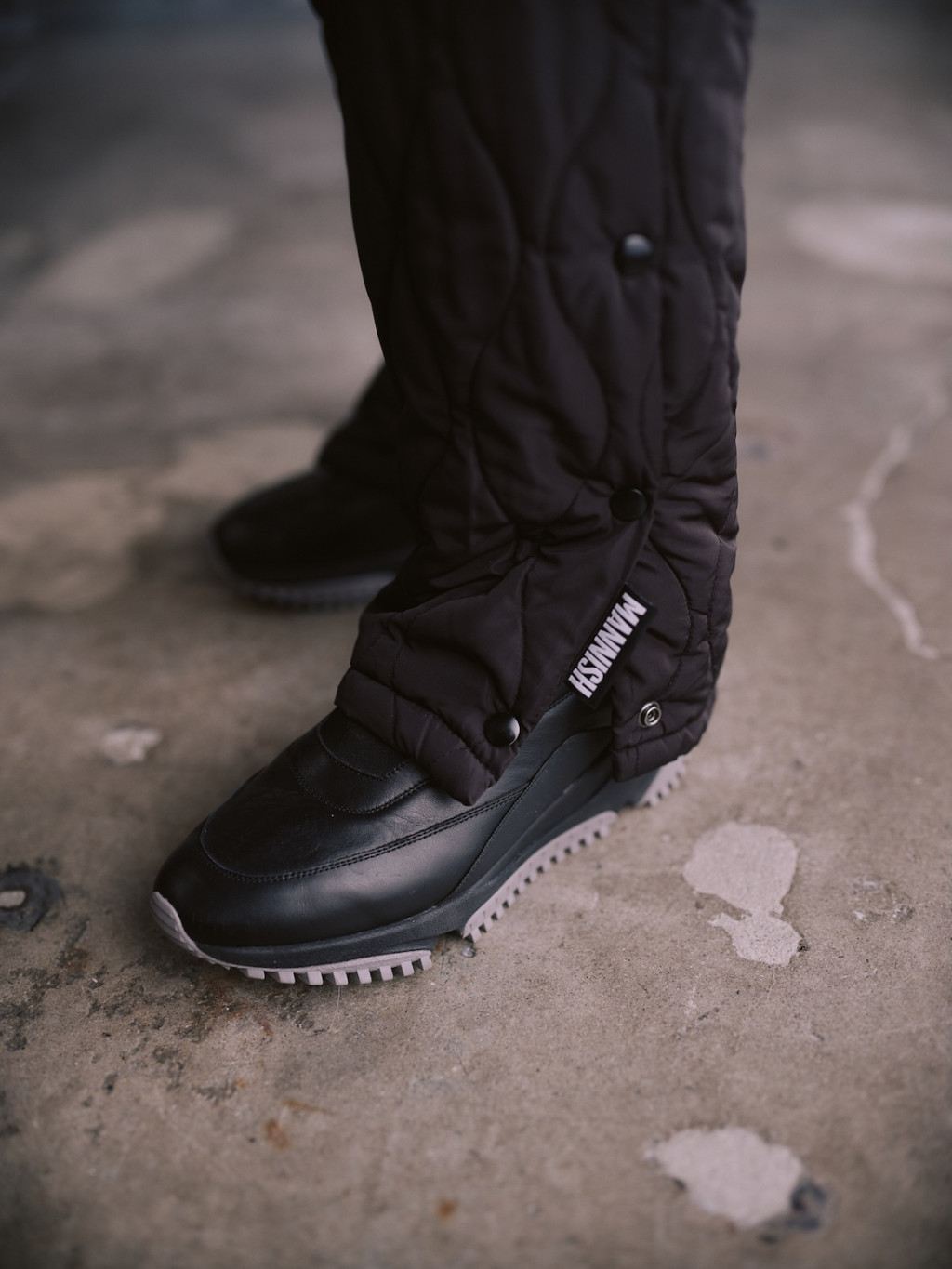
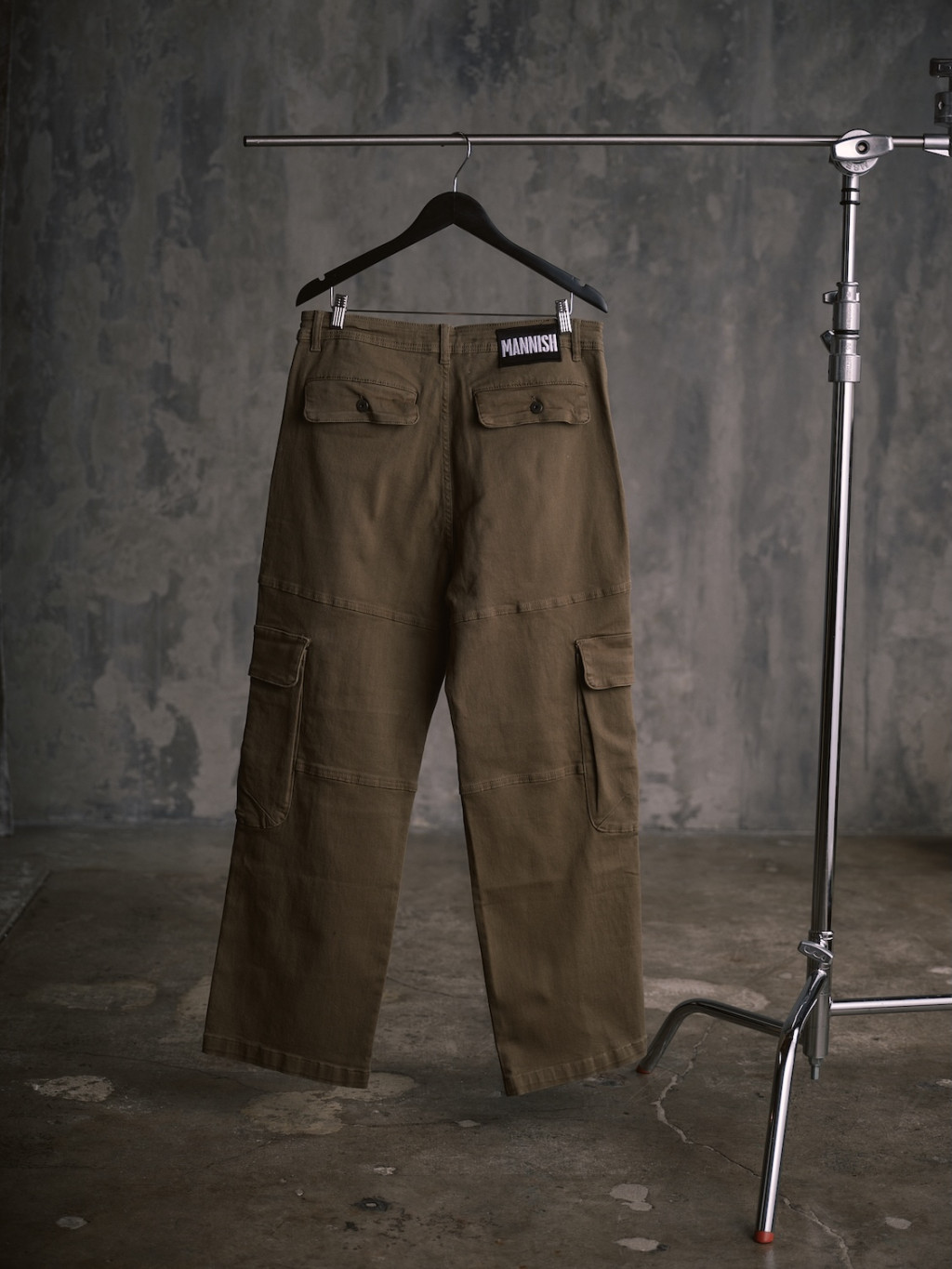
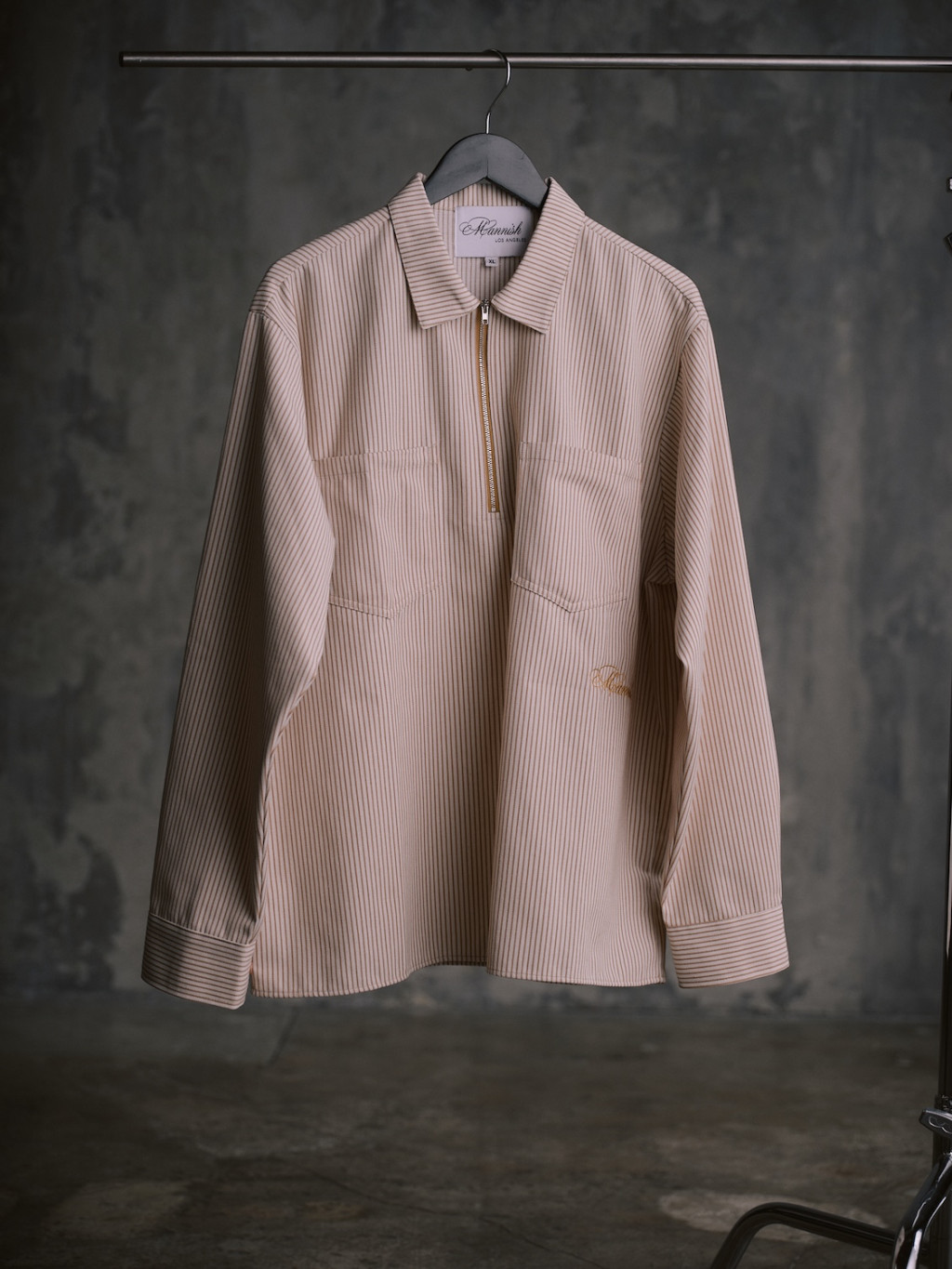
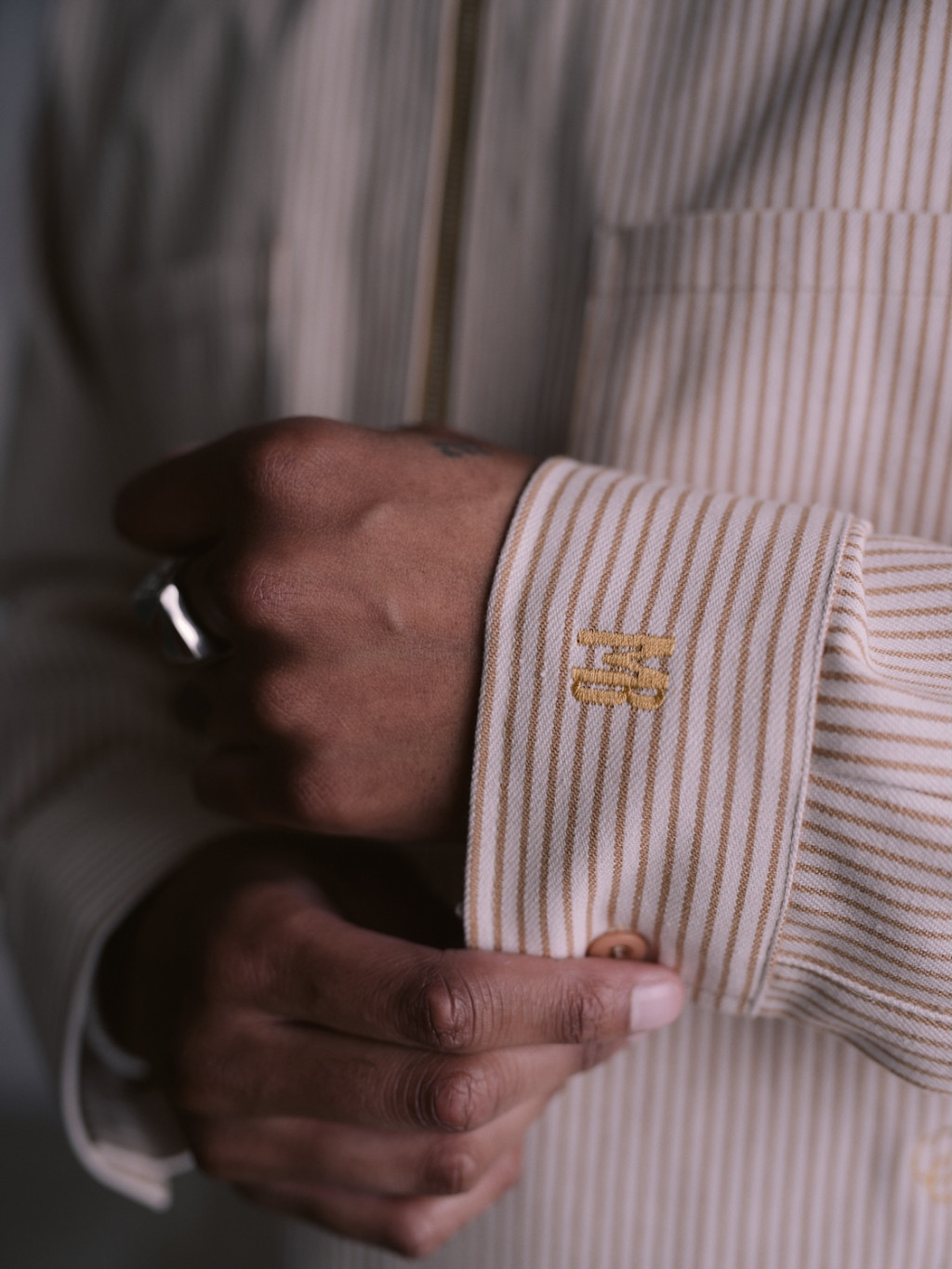
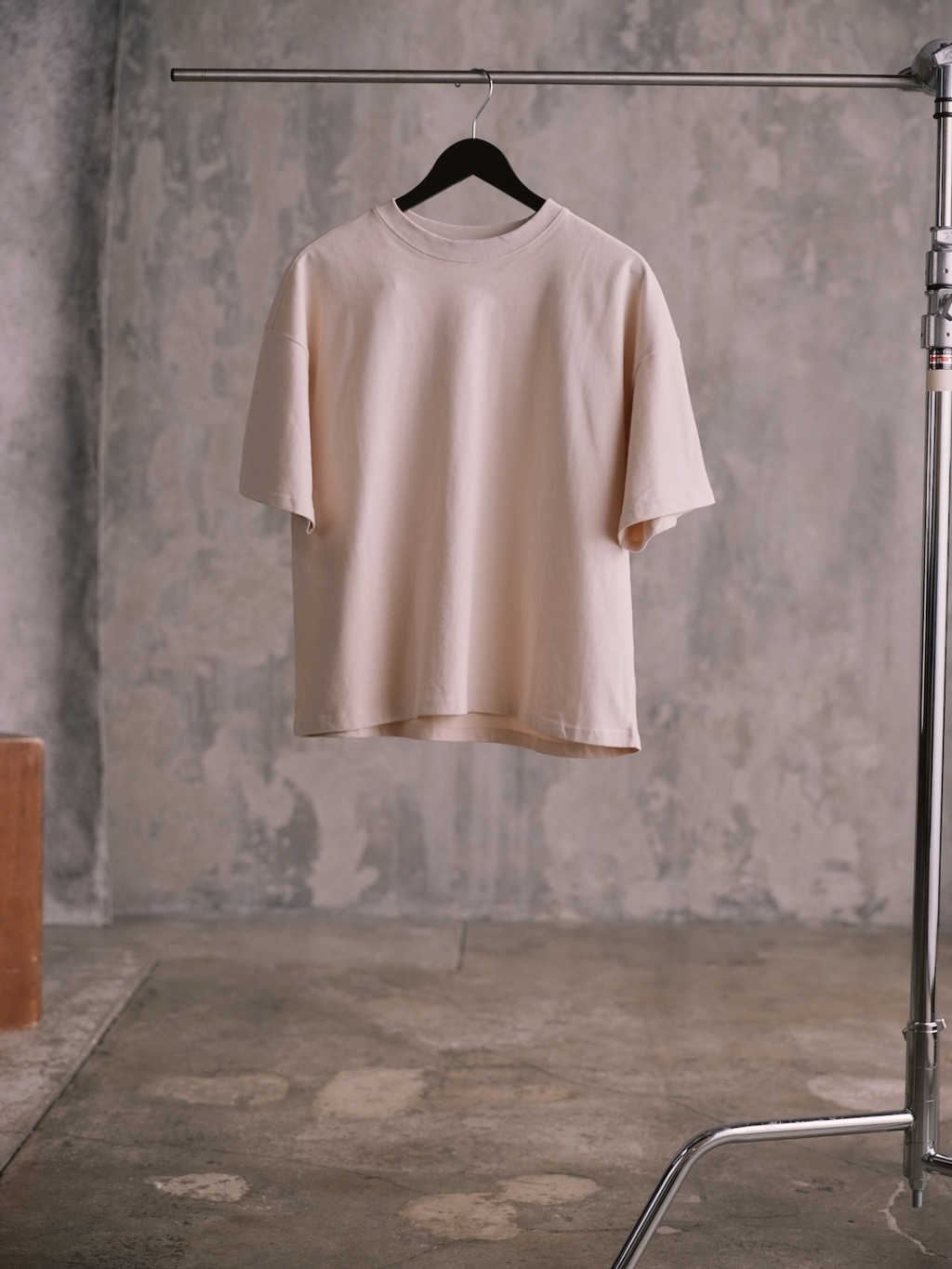
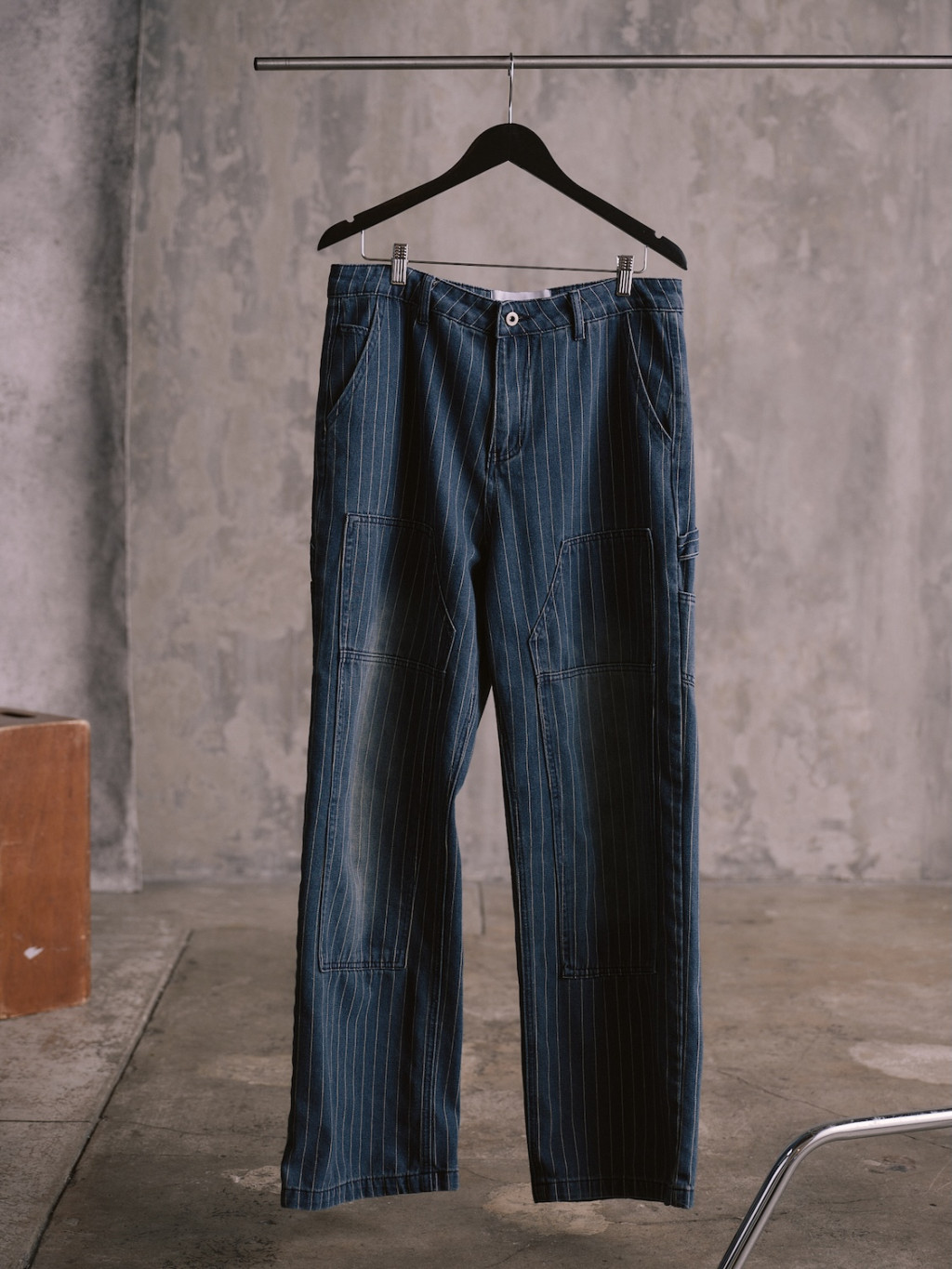
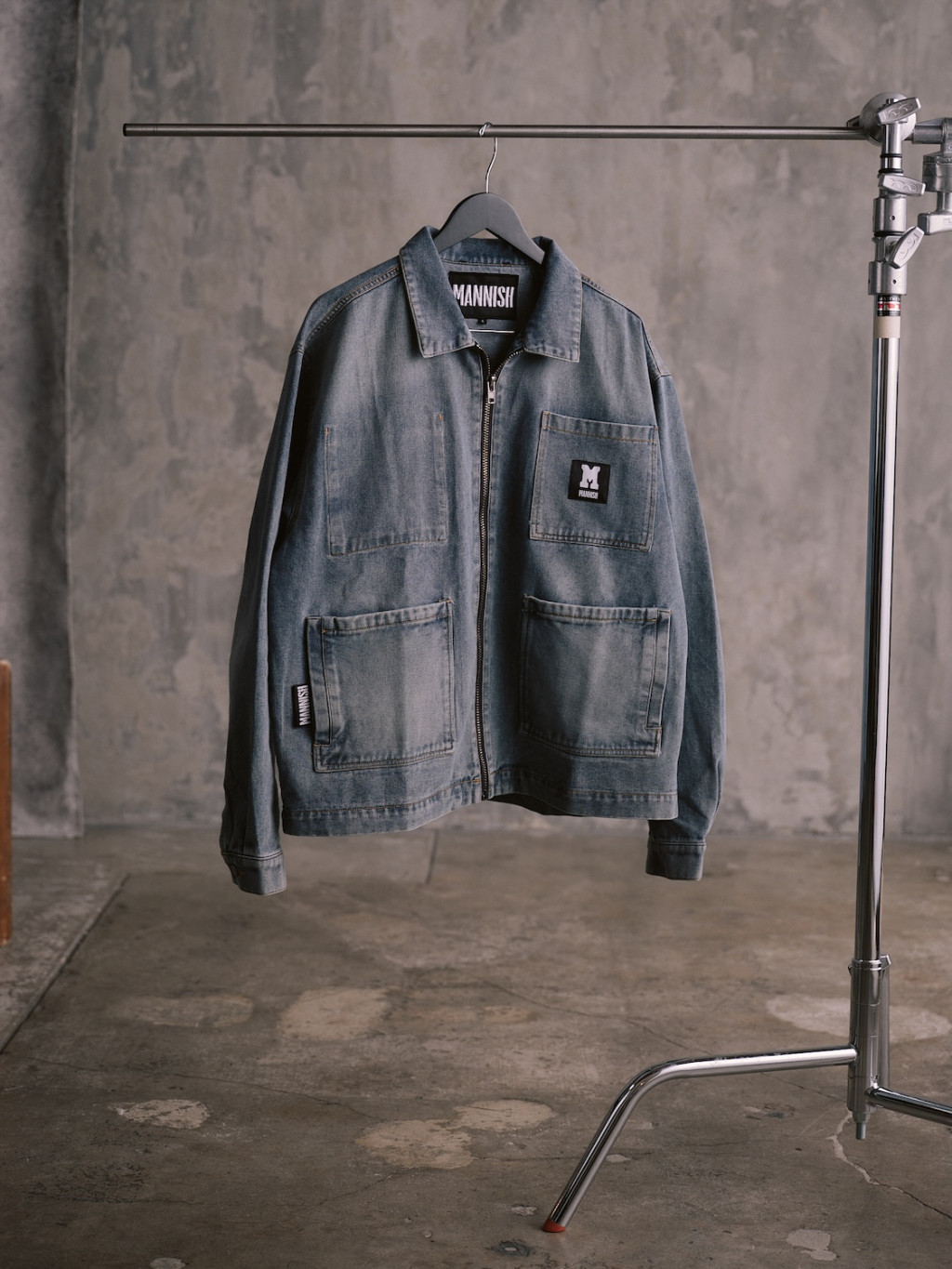
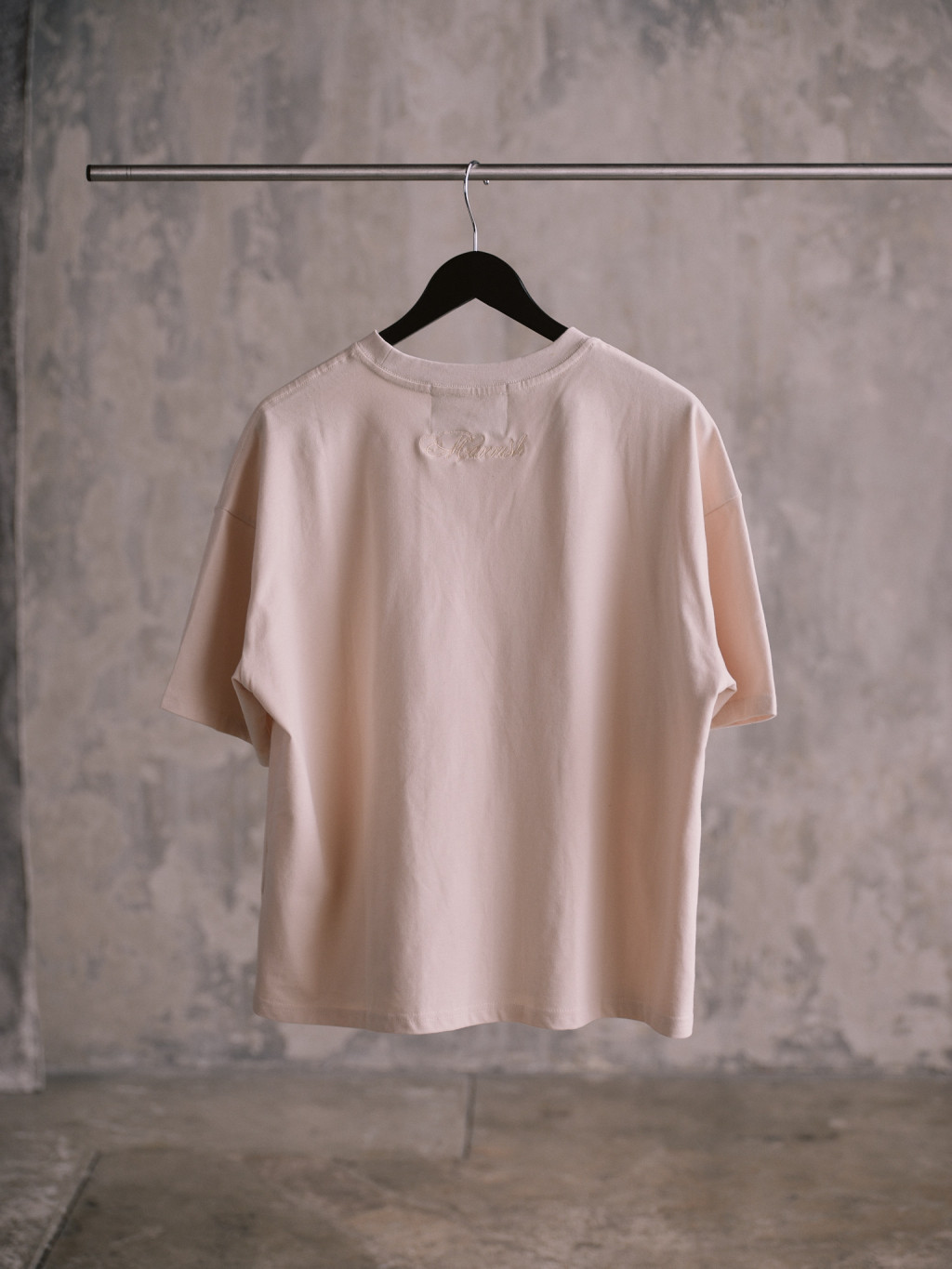
Photo Credit: Courtesy of Mannish