

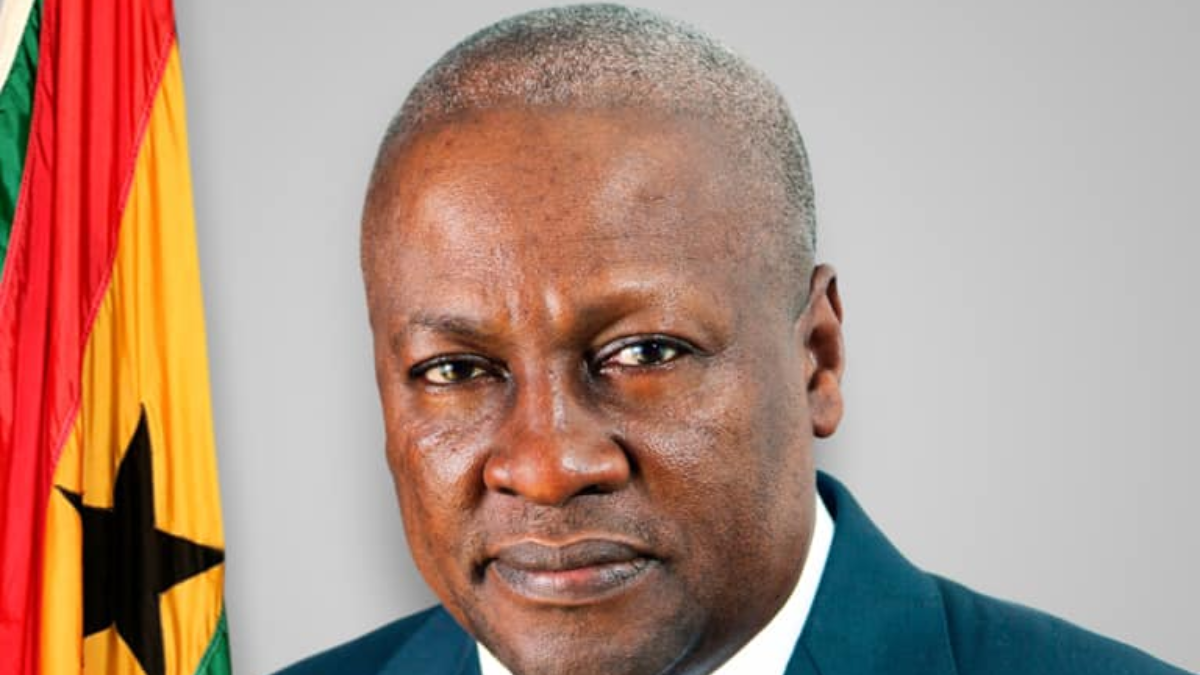
Ghanaian President John Mahama delivered a powerful address warning that America is actively suppressing the truth of its past. Speaking in New York, Mahama outlined how systemic efforts to alter school curricula and restrict public institutions are not only sanitizing American history but setting a dangerous global precedent.
“They are slowly normalizing erasure,” Mahama stated, issuing a stark international rebuke to the ongoing legislative and cultural battles over race in the U.S.
During his speech, President Mahama didn’t mince words when detailing the specific tactics being used to suppress the realities of the Black experience. He pointed to several alarming trends currently taking hold across the United States, starting with the deliberate removal of Black history courses from educational frameworks.
Alongside these curriculum cuts, he highlighted strict educational mandates that force schools to stop teaching the unvarnished truths about slavery, segregation, and systemic racism. This wave of erasure also extends beyond the classroom through widespread book bans that remove literature addressing these critical topics from public schools and libraries.
Furthermore, Mahama called attention to the targeted defunding of public institutions. Museums, art centers, and other cultural hubs that rely on public funds are increasingly facing prohibitions that restrict them from hosting exhibitions or programming designed to promote racial awareness.
To underscore the severity of these policies, Mahama drew a direct historical comparison. He likened the current wave of educational and cultural restrictions in the U.S. to the historic laws implemented to regulate the punishment of enslaved people in Barbados.
By connecting modern legislative actions to colonial-era slave codes, Mahama highlighted the entrenched and systemic nature of this cultural suppression, framing it as a modern tool for controlling narratives and marginalizing Black voices.
The Ghanaian President’s concerns extended well beyond American borders. As a leader on the African continent, Mahama expressed deep concern that these U.S. policies are not occurring in a vacuum. He warned that the tactics currently being deployed in America are rapidly becoming a “template” for other governments and private institutions worldwide.