

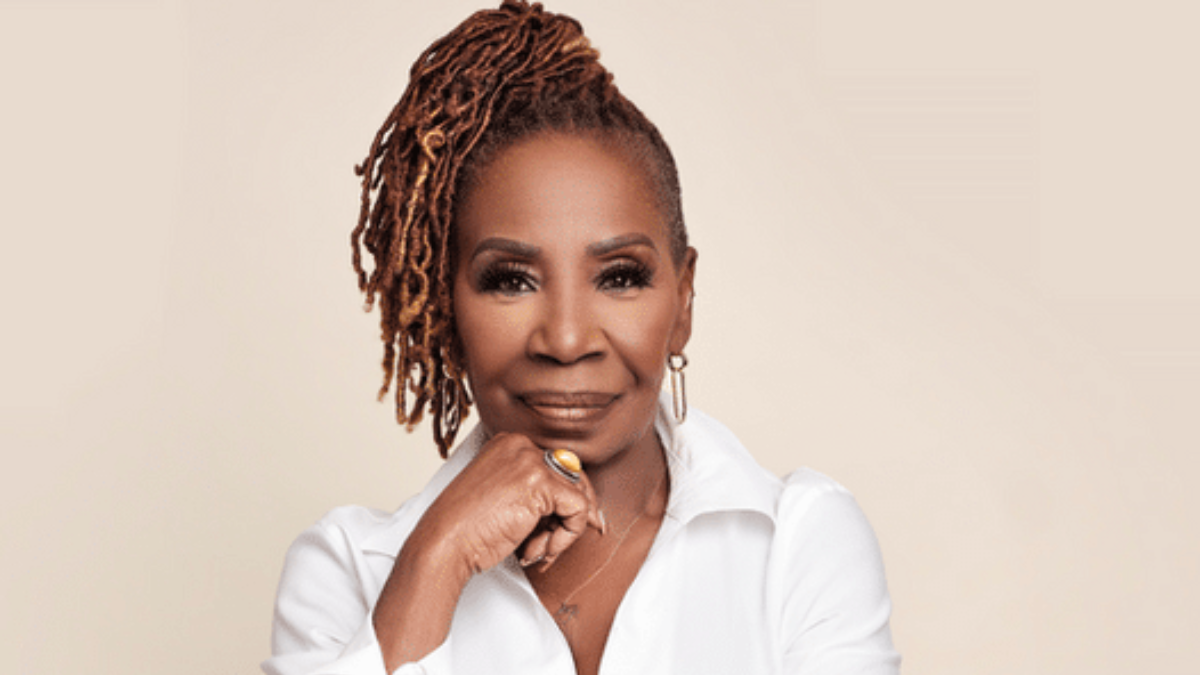
While promoting her new series The Inside Fix, premiering tonight on OWN, Iyanla Vanzant offered a powerful reframing of how healing for Black men can begin, not through punishment or performance, but through care.
During our conversation about mental health and the growing number of men suffering in silence, Vanzant didn’t default to surface-level solutions. Instead, she returned to an idea she’s been sharing for years, one that still feels radical because of how simple and necessary it is: Black men must learn to mother one another.
“Many, many years ago, I said, ‘Black men must learn to mother each other.’ Not father each other. Mother each other,” Vanzant explained. “Because sometimes the space among Black women is not safe for Black men. Because we have our own pain and our own hurt. And we really want you to fix it. But you can’t fix ours till you handle yours.”
Too often, Black men are expected to be pillars without being people. To lead without ever being held. To provide strength without receiving softness. Vanzant argues that this imbalance leaves many men emotionally stranded, unsure of where they’re allowed to fall apart.
So what does “mothering” actually mean in this context?
Vanzant broke it down. “What does that mean? How to affirm. How to acknowledge. How to nourish. How to nurture. How to edify each other in their small little circles.”
She was intentional about what those spaces should look like and what they shouldn’t. This isn’t about bravado or competition.
“Not in the barbershop where you gotta be brave and tout your team,” she said. Instead, she pointed to the quieter, more honest environments where real conversations can happen. “But in small circles. For Black men to mother each other. To hear your pain, to let you cry.”
That permission to feel, without judgment or ridicule, is central to her message. And it’s something she believes Black men can uniquely offer one another in ways no one else can.
But mothering, in Vanzant’s framing, doesn’t stop at empathy. It also includes accountability. Care without standards isn’t healing; it’s avoidance. “And then to say, ‘Okay.’ Now what? How you gonna handle it this time?”
She tied that accountability directly to community safety, particularly when it comes to violence. Drawing from lived experience, Vanzant made an observation: “I said many, many years as a person that experienced it. If brothers knew that other brothers wouldn’t tolerate them beating a woman? We’d have no domestic violence.”
It’s a reminder that silence can be complicity, and that peer accountability often carries more weight than public condemnation ever could.
Vanzant’s message comes as conversations about Black men’s mental health are louder than ever, yet still incomplete. Awareness has grown, but infrastructure hasn’t always followed. Her call isn’t for another hashtag or panel discussion. It’s for practice. Daily, relational, uncomfortable practice.
To mother each other is to slow down. To listen without fixing. To hold space without ego. To challenge harmful behavior without humiliation. And to understand that healing isn’t a solo act, it’s communal.
Tune into The Inside Fix with Iyanla Vanzant on OWN, premiering tonight! Check out the full interview below.