

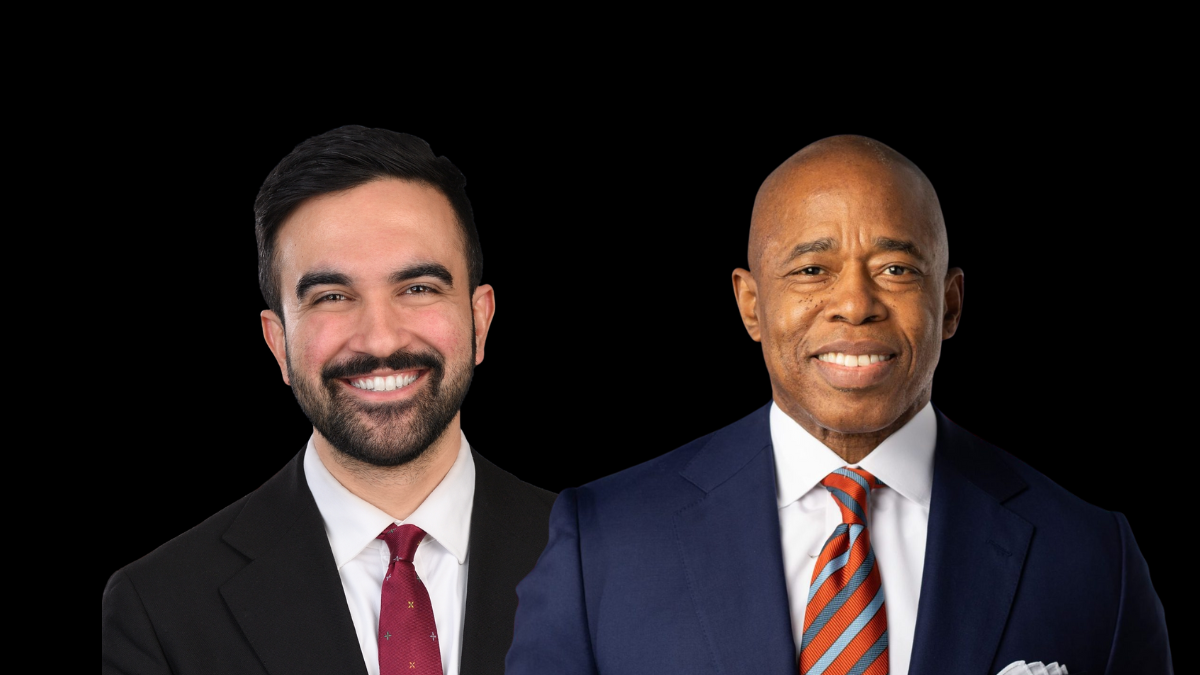
New York City Mayor Zohran Mamdani kicked off his administration with a sweeping executive action. On his first day in office, Mamdani issued a new executive order revoking all executive orders issued by former Mayor Eric Adams on or after September 26, 2024, the date of Adams’ indictment on federal corruption charges.
The blanket revocation took effect immediately and was designed to give the new mayor what his team described as a “fresh start” to govern without the political baggage associated with his predecessor’s final months in office.
Former Mayor Adams later had the charges dismissed, but the timing of the executive order, tied to the period after his indictment, was a central justification for Mamdani’s decision.
NYC Mayor Zohran Mamdani issues executive order revoking all executive orders Eric Adams signed after September 26, 2024, which was the date of his indictment. pic.twitter.com/un6K59MI4Y
— Politics & Poll Tracker 📡 (@PollTracker2024) January 1, 2026
Under the terms of Executive Order 01, any directive signed by Adams after that September 2024 date and still in effect as of December 31, 2025, was nullified. Orders issued before that time remain in force unless specifically revoked or replaced by a subsequent order.
The decision carries broad implications, touching on major policy areas that Adams sought to influence in his final months, from foreign policy-related municipal directives to definitions of antisemitism used by city agencies.
Among the most controversial elements rescinded were orders that banned city agencies from boycotting or divesting from Israel, and the adoption of the International Holocaust Remembrance Alliance (IHRA) definition of antisemitism, both of which became flashpoints in the broader national debate over free speech, advocacy, and how antisemitism is defined.
Supporters of Mamdani’s action, including groups like the Council on American-Islamic Relations’ New York chapter, welcomed the removal of what they viewed as limitations on speech about Israel and its policies.
However, the move also drew immediate backlash. Jewish advocacy organizations, Israeli officials and some political leaders criticized the revocations as undermining protections against antisemitism and threatening Jewish New Yorkers’ sense of safety.
Mayor Mamdani defended the revocation as part of establishing his administration’s priorities and rebuilding public trust. He emphasized that his government remains committed to combating hate and discrimination, including antisemitism, even as he evaluates how best to structure those efforts.
While some Adams-era policies have been rescinded wholesale, Mamdani’s team has indicated that certain offices, such as the Office to Combat Antisemitism, may be preserved or reconstituted under new terms, underscoring the administration’s intent to balance resetting policy with continuity in key areas.