

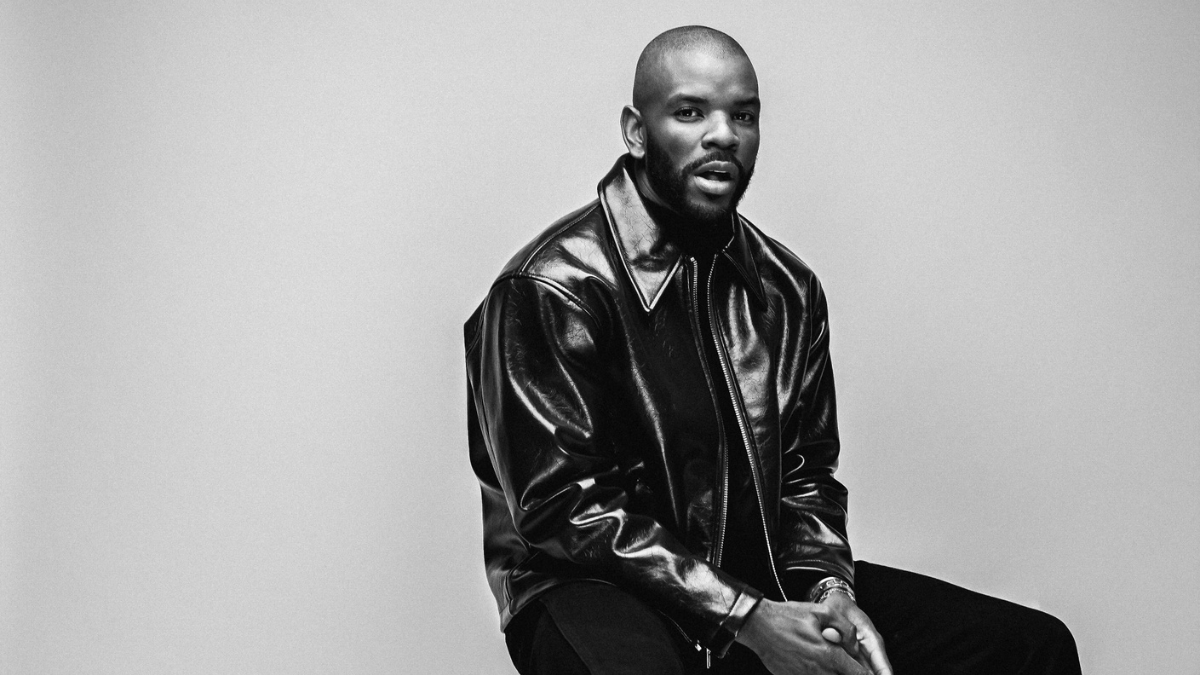
After seven seasons, the journey of Bernard Upshaw has come full circle, and so has the man who brought him to life. In the seventh and final season of The Upshaws, premiering January 15 on Netflix, Jermelle Simon steps into the role with a level of freedom, clarity, and authenticity that mirrors his own personal evolution.
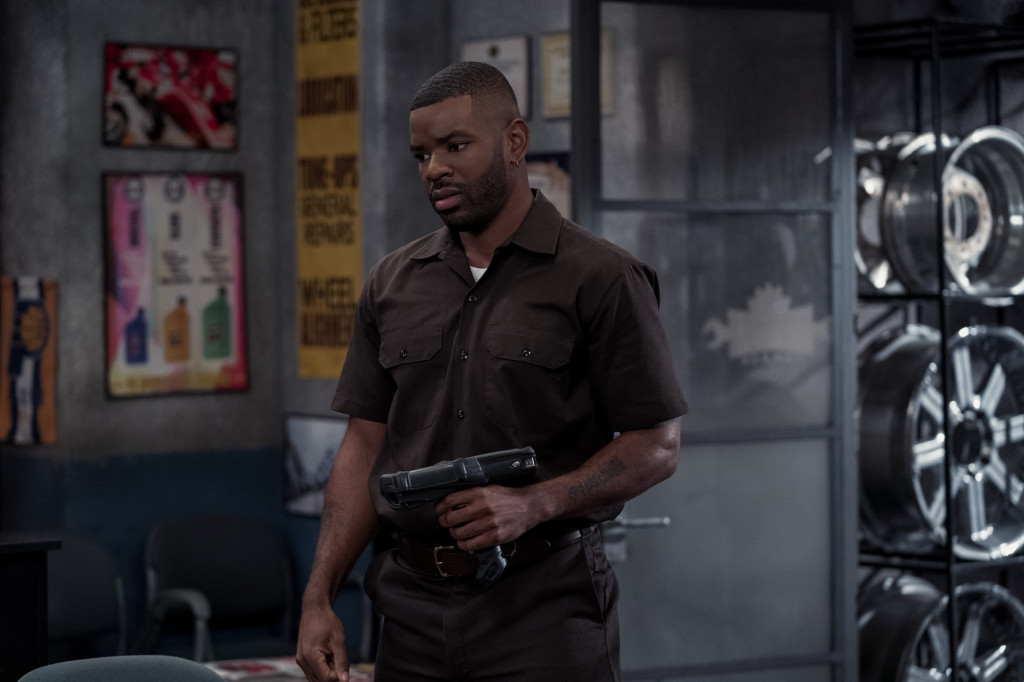
When the series first debuted, Bernard was written as a closeted gay man navigating family, masculinity, and self-acceptance inside a working-class Black household led by Bennie Upshaw (Mike Epps), alongside Regina (Kim Fields) and Lucretia (Wanda Sykes). At the time, Simon himself was also closeted. That parallel created an emotional layering that shaped both the character and the actor in real time.
As the show progressed, Bernard began living more openly, finding courage, shedding shame, and embracing himself in ways Simon hadn’t yet been able to fully do in his own life. That disconnect weighed on Simon creatively and personally, eventually pushing him toward a breaking point.
In October 2024, on National Coming Out Day, Simon publicly came out as gay. Today, he is married to influencer Obio Jones, and the final season of The Upshaws marks the first time he portrays Bernard while fully living in his truth.
By the time cameras rolled on the final episodes, the shift was undeniable. Simon wasn’t just playing Bernard; he was finally meeting him where he was.
Below, Jermelle Simon reflects on the end of The Upshaws, coming out, fatherhood, representation, and what it meant to finally play Bernard freely.
[Interview has been edited for length and clarity]
QG: Seven seasons is a major accomplishment, especially in today’s TV landscape. How are you feeling in this moment?
JS: I don’t know. I go in and out of feelings. Sometimes it feels like the ending, like a funeral. That sadness you get for that final goodbye. And part of it is me just feeling super grateful for the fact that I’ve been able to do a show for five years. I still can’t really comprehend that I was a part of a sitcom on Netflix for five years. So I go in and out of it, gratefulness and sadness, but also excited for what’s next. It’s a ball of emotions, honestly. Depends on the day.
QG: When you think back to your first day on set versus your last, what changed?
JS: Everything. When I first stepped on set, everything felt unfamiliar. Seeing Mike [Epps], Wanda [Sykes], Kim [Fields], all of them in the hallways, in their trailers, it was hard for me to accept that I was a part of a show with them. I think it was a bit of imposter syndrome. I was intimidated. I hadn’t done anything on that level before.
By the last day, we were such a family. It felt like going to work with my mom, dad, brothers, and sisters. And I had done so much inner work. I had come out. So much of my life had changed. By the end, I was free as a bird, and I wanted to express the character in a bigger way.
QG: You’ve said before that Bernard’s journey helped influence your own. How intertwined were the two?
JS: It was a bit of both. I feel like Bernard outgrew me after season one. Season one was easier to film because we both were closeted. It felt like we were struggling together. As the seasons progressed, he got more and more courage to be himself and let go of shame, while Jermelle was still like, ‘Wait, hold up. I’m not ready to say the words I’m gay yet.’ And he already said it three or four times.
I felt like I couldn’t do the character justice playing an openly gay character while being closeted. It was competing thoughts, and it was exhausting. I was exhausted from playing a character even in my real life.
QG: How did coming out change your relationship with Bernard?
JS: By the last season, I wasn’t worried about how I was being perceived anymore. I was just making choices that I thought the character would make, instead of thinking, ‘How does this look?’ I got a chance to just be free. I haven’t seen it yet, but I’m interested in seeing how that translated on screen because I didn’t see myself in my fullness on screen yet.
QG: What has the response to Bernard been like over the years?
JS: The messages that hit me the most are from men who aren’t ready yet but feel comfortable enough to DM me and say, ‘Thank you for helping me feel seen.’ Some people told me they came out because of the show and because of my character. That means everything.
Even the uncomfortable responses sparked conversation in households. And over time, I hope people understood gay people more. You humanize Bernard. You realize he’s just him, and you’re just you, and that’s okay.
QG: Representation matters, especially for Black gay men. How did that responsibility sit with you?
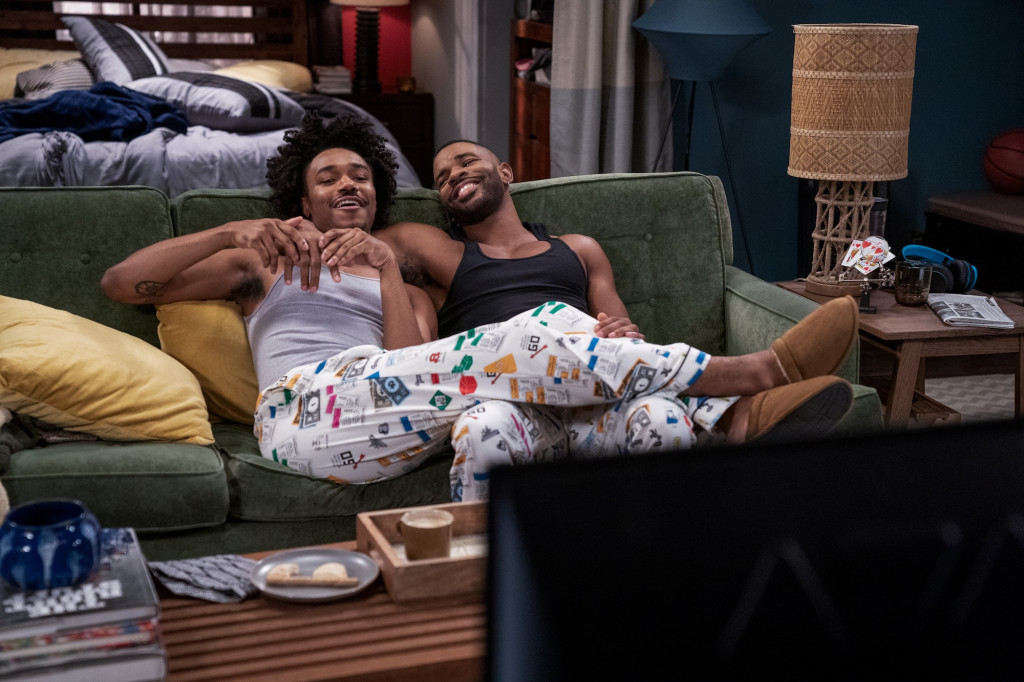
JS: I had never seen a gay character like myself. Bernard kind of became my own superhero. But as I freed myself more, I realized I’m not masculine or feminine, I’m just me. When you free yourself from one thing, you free yourself from all things.
QG: You’ve spoken about regret. What do you regret most?
JS: I don’t have many regrets, but I regret not understanding that I was enough when I was young. I spent so much time living a half-life. When you’re closeted, you’re not living your full life, you’re playing a character that isn’t you.”
QG: Did playing Bernard impact you as a father?
JS: Absolutely. I was nervous to tell my kids I was playing a gay character. I thought I was preparing them for teasing, but they looked at me like, ‘What are you talking about?’ Their generation doesn’t have the trauma that we have.
It helped me want to create space for my kids to be whoever they are. Whoever you go on a date with, whatever it is, you can do that. I wanted to make sure that space existed.
QG: How do you feel about Bernard’s story ending?
JS: I think the writers did a great job. They closed it out where you want a spinoff. That’s the perfect way to close it out. We were fortunate enough to know it was ending, and I’m grateful for that time.
QG: What did working alongside Mike Epps, Kim Fields, and Wanda Sykes teach you?
JS: They don’t try to be each other. Everyone stays in their lane and perfects it. That helped me find my place. What you bring to the table is enough. They cast you to be you.
QG: Finally, what’s next?
JS: I honestly don’t know. I’m trying to release the pressure of the next thing having to be bigger. I’m open. I’m hopeful. I just got married. I have kids. There are good things happening. We’ll see.
The Upshaws final season premieres on Netflix on January 15. Check out the full interview.
Photo Credit: Netflix/Gianna Dorsey