

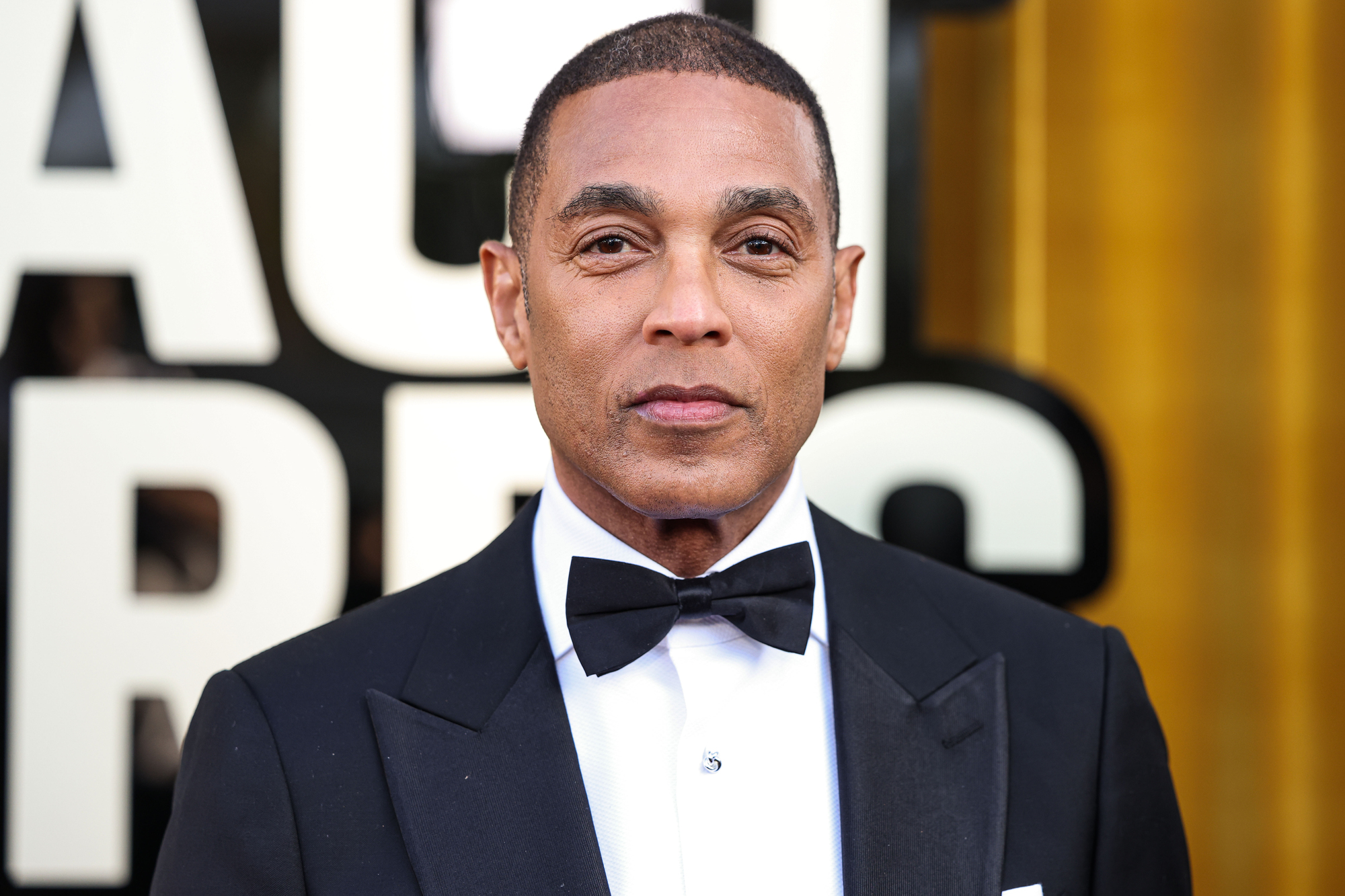
Journalist Don Lemon was arrested yesterday by federal agents in connection with a protest that disrupted a church service in St. Paul, Minnesota, a development that has drawn national attention to press freedom and protest rights.
Attorney General Pam Bondi confirmed that Lemon was taken into custody Thursday night in Los Angeles, where he was covering the Grammy Awards, and that the arrests were linked to events at Cities Church in St. Paul earlier this month.
Lemon, 59, was arrested alongside Georgia Fort, an independent journalist, as well as Trahern Jeen Crews and Jamael Lydell Lundy. All were taken into custody “in connection with the coordinated attack on the Cities Church,” the attorney general said in an announcement on social media.
The protest on January 18 drew demonstrators who opposed federal immigration enforcement policies. Participants reportedly entered the church during a service after learning that one of its pastors was affiliated with ICE. Protesters chanted against ICE’s presence, prompting authorities to pursue a legal response.
Lemon’s involvement stemmed from his presence at the event in a journalistic capacity. His attorney, Abbe Lowell, has pushed back strongly against the arrests, insisting that Lemon was doing what journalists have done for decades: reporting on a story and documenting voices and actions at a moment of public controversy.
“Don has been a journalist for 30 years, and his constitutionally protected work in Minneapolis was no different than what he has always done,” Lowell said in a statement, calling the arrest an “unprecedented attack on the First Amendment.”
Fort was arrested early Friday morning at her home in Minnesota, according to a video she shared on Facebook. In the livestream, she said federal agents told her they had a warrant for her arrest arising from her coverage of the church protest. “As a member of the press, I filmed the church protest a few weeks ago, and now I’m being arrested for that,” she said in the clip.
Critics of the arrests argue they raise serious questions about press freedom and the proper boundaries of law enforcement. Advocacy groups and civil liberties defenders have framed the detentions as a troubling precedent, arguing that journalists can be prosecuted for entering a location to cover unfolding events.
Federal authorities, however, have defended their actions, pointing to legal protections for places of worship and asserting that entering the church and recording the protest may have violated provisions of federal law designed to shield worship services from disruption.
The Justice Department has not yet publicly detailed the specific charges against Lemon, Fort, or the others. A magistrate judge had previously declined to approve an earlier criminal complaint against Lemon after prosecutors tried to bring charges related to the protest, leaving the legal path forward uncertain.
As the case unfolds, Lemon and Fort are expected to challenge the legal basis of their arrests and insist on the journalistic protections afforded under the First Amendment. The situation has sparked a broader debate about the balance between constitutional rights, public protest, and law enforcement authority in politically charged contexts.
Photo Credit: DepositPhotos.com