

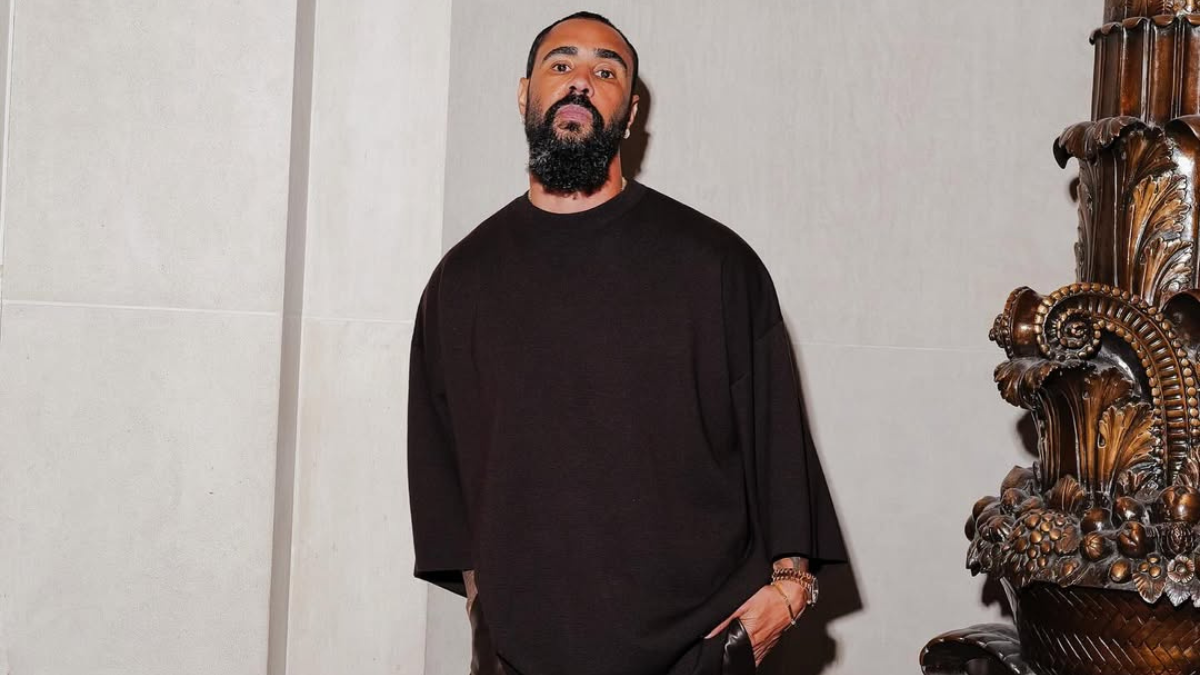
Jerry Lorenzo has never been subtle about his vision, but in a recent interview, the Fear of God founder made one thing crystal clear: he doesn’t want to work for Ralph Lauren. He wants to be Ralph Lauren.
“I look to Armani, and I want to be the next Armani,” Lorenzo said in an interview with Complex editor-in-chief Aria Hughes. “I don’t want a job at Armani. I look to Ralph Lauren, and I want to be the next Ralph Lauren. I don’t want to work for Ralph Lauren.”
At a time when many designers measure success by landing a creative director role at a legacy fashion house, Lorenzo is playing a longer, more ambitious game. His goal isn’t validation from the establishment. It’s ownership, scale, and permanence.
Founded just over a decade ago, Fear of God has quietly positioned itself as something fashion rarely allows Black designers to build: an independent American luxury brand with real staying power. Not a moment. Not a trend. A house.
Lorenzo, who never received formal fashion training, came up outside the traditional system. After earning an MBA and working in sports management, he began making clothes out of necessity, first for athletes he styled, then for himself.
What started as a few custom pieces grew into a brand that now operates across three major pillars: Fear of God Essentials, Fear of God Athletics, and the Fear of God mainline luxury collection, which has recently expanded into womenswear.
That structure is intentional. Essentials provides accessibility and financial stability. Athletics bridges performance and lifestyle. The mainline defines the brand’s luxury point of view. Together, they form a blueprint that mirrors what Ralph Lauren built decades ago, but through a modern, culturally grounded lens.
And unlike many of his peers, Lorenzo has resisted the temptation to trade independence for institutional power. While he’s had conversations and received feelers about creative director roles at major houses, he’s been consistent about his boundaries.
“I would not take on another job at the expense of what I know God has called me to do,” he said.
Fear of God operates without the backing of LVMH or Kering, a rarity in today’s luxury market. Instead, Lorenzo has grown the brand carefully, reinvesting revenue from Essentials to support the slower, more expensive work of building a true luxury house. It’s a strategy rooted in patience and faith.
Lorenzo also understands the weight of representation. He’s spoken openly about what it means to be one of the few Black designers even positioned to attempt this scale.
“We believe we can be anything,” he said, “but we also have these caps.”
His work is, in many ways, about removing those caps, not just for himself, but for the designers watching him. Fear of God’s storytelling centers dignity, restraint, and quiet confidence. It offers a different version of the American dream, one that doesn’t rely on spectacle to command respect.
That mindset extends beyond clothing. From hosting a table at the Met Gala to producing cinematic brand films rooted in Black life, Lorenzo is deeply aware of the power of optics, ownership, and narrative. Not just being included, but defining the space.
So when he says he doesn’t want to work for Ralph Lauren, it isn’t dismissal. It’s aspiration.
Ralph Lauren built an empire that became synonymous with American style. Jerry Lorenzo is trying to do the same, on his own terms, in his own time, and with a perspective the industry has historically excluded.
Not a seat at the table.
A table with his name on it.