

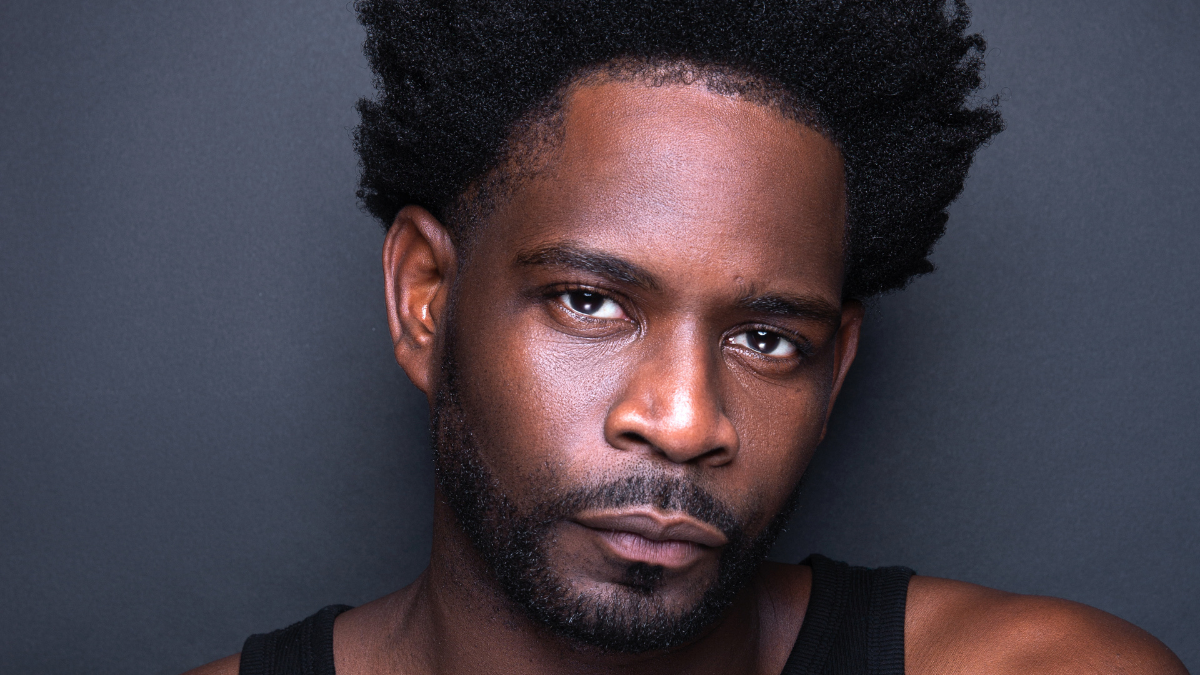
Jameson Cherilus isn’t interested in fitting into Hollywood’s mold; he’s here to expand it. The Haitian American actor, who has been working in Los Angeles for the last decade and recently relocated to New York, is one of the emerging voices pushing for stories that honor nuance, identity, and emotional truth.
Cherilus has appeared on AMC’s ALLBLK hit series Send Help and now stars in Dear Luke, Love, Me, an independent feature from director Guillermo Díaz (Scandal).
Cherilus plays Charlie, a character who challenges society’s definition of love and connection in a story that centers on asexual identity, platonic devotion, and the evolving language of intimacy. The film is officially available for pre-order and streaming on Apple TV and Prime Video.
For Cherilus, who champions marginalized communities including LGBTQIA+ folks, the unhoused, and those impacted by educational inequity, this role isn’t just a job. It’s an opportunity to shift cultural conversations.
In our interview, he opens up about playing Charlie, telling a bold narrative about asexuality, his activism, and why love in all forms requires presence, empathy, and emotional maturity.
Dear Luke, Love, Me feels like a modern When Harry Met Sally — a story about love in all its complicated, beautiful forms. What drew you to the character Charlie?
What immediately drew me to Charlie was his quiet strength and how profoundly human he felt on the page. Mallie McCown wrote him with such clarity and emotional intelligence – he’s consistent, determined, and supportive, yet grounded in empathy and respect. I was really taken by how Charlie manages to hold space for others while maintaining his own sense of self. From the moment we meet him in Penny’s graduate class at Brown, he carries his quiet steadiness that subtly anchors the story. While Dear Luke, Love Me primarily explores Penny’s asexual relationship with Luke, I’ve always believed Charlie’s platonic connection with her is what also contributes to the film’s emotional center. His friendship challenges our idea of what love can look like – that sometimes, love is found not in grand gestures, but in the people who choose to show up for you, consistently and without condition. Portraying Charlie gave me a chance to explore a kind of love rooted in understanding, presence, and care – the kind that often exists quietly but leaves the deepest impact.
The film beautifully highlights asexual identity — something rarely explored in mainstream media. Why was it important for you to help tell this story?
It was important for me to help tell this story because I am deeply connected to its exploration of love in all its forms—platonic, romantic, and asexual. I’ve experienced relationships that evolved through those different stages, and I saw pieces of my own emotional journey reflected in the script. There’s something so universal and honest about that. The contrast between Luke and Charlie is striking and I think that distinction invites audiences to rethink what intimacy and devotion can look like, especially through the lens of asexuality–where love isn’t defined by physicality, but by presence and empathy. This was an exciting challenge for me. As an actor, I’m drawn to roles that push me to listen more deeply, to be still, and to let the smallest gestures carry weight. Charlie gave me that opportunity. At some point, we’ve all fallen for someone in a way that feels uncertain or risky, and we make the choice to go for it – or not. What fascinated me about Charlie is that his version of “going for it” isn’t about romance or possession; it’s about choosing to show up.
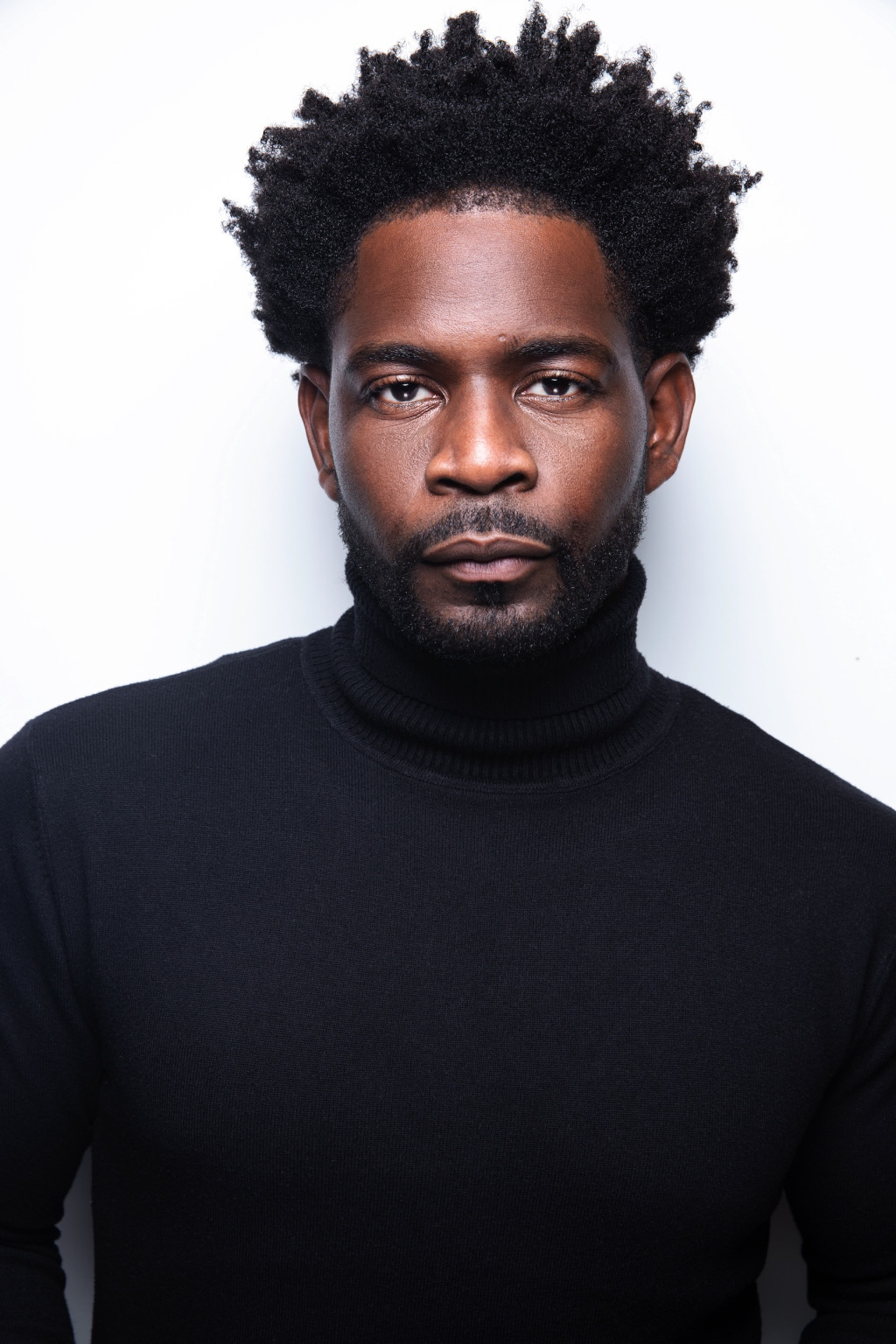
Dear Luke, Love, Me explores how love evolves. How has your own understanding of love and friendship changed as you’ve grown in your career and life?
My understanding of love and friendship has evolved alongside my life and career. I grew up in a two-parent household, watching my father model what manhood and devotion looked like—his commitment to my mother shaped my belief in romantic love. I’ve always been a bit of a hopeless romantic because of them. But as I’ve matured, my definition of love has deepened. I’ve learned that you can’t show up for someone else if you haven’t learned to show up for yourself. I’ve seen how the absence of self-love—whether it shows up as insecurity, jealousy, or possessiveness—can erode even the strongest romantic or platonic bonds. That’s why I believe in really getting to know someone before leaping into a relationship. Understanding a person’s character, how they move through their best days, their worst days, and everything in between, is essential. That’s where real love begins.
Guillermo Díaz makes his directorial debut with this film. What was it like working under his vision and energy on set?
Working with Guillermo Diaz was honestly a dream. He’s truly an actor’s director in every sense—compassionate, detail-oriented, intuitive, laser-focused on authenticity, and he is deeply committed to creating a safe, collaborative set. Most people know him as Huck from Shonda Rhimes’ hit ABC network TV show, Scandal, but he’s also a remarkable filmmaker with a clear vision and infectious energy.
As an actor, my goal is always to ensure my character is fully understood, and that starts with doing the inner work. Guillermo really encouraged vulnerability, which helped me access Charlie’s truth in a way that felt raw and real. He wants his actors not just to play the role, but to own it—understand the text, personalize it, and bring it to life. Guillermo created the space for me to dig deeper into what makes Charlie unique, and he challenged me to open up in ways that allowed me to bring his soul forward authentically. His leadership style is fearless but nurturing, and collaborating with him raised the bar for me. Working with him set a new standard for me, and I hope we get to collaborate again. I’d love for this to be the first of many projects together.
As an actor, what did you learn about yourself while making this film — emotionally or creatively?
This film taught me more about myself than I expected—creatively, emotionally, and spiritually. I realized the God within me is real. I’d spent ten years living in Los Angeles, California, preparing for a moment like this, to be on set proving that I too could be a Hollywood leading man in movies, but it wasn’t until I surrendered completely and let go of every expectation that I found real freedom. On set, that freedom gave me permission to take risks and make bolder acting choices. Looking back, the resilience it took to get here has affirmed why I’ve always wanted to be a storyteller: to prove the underdog’s story is worthy of being told, too. This film taught me to never give up on my dreams, to have crazy faith in myself, and to keep going no matter what.
You’ve been open about advocating for marginalized communities. How do you see your artistry intersecting with your activism?
My artistry and activism intersect every day because the work I create centers the marginalized communities I’m committed to—whether it’s LGBTQIA+ stories, the reality of America’s unhoused population, access to quality education, or the systemic inequities in healthcare and housing. I care deeply about people, and I try to lead with that. My goal is to make art that not only reflects my community but also offers a measure of healing that so many of us, me included, are searching for.
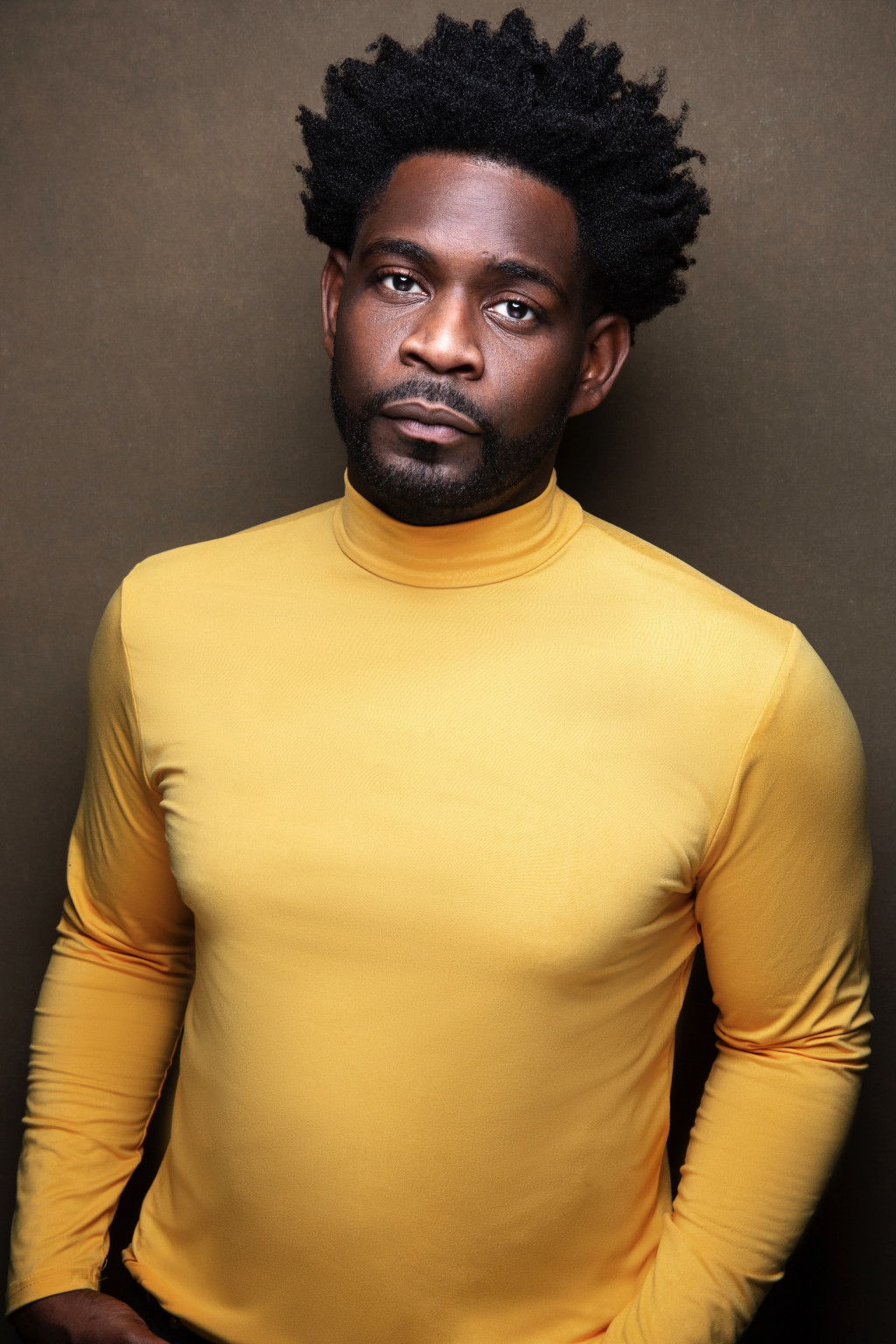
In what ways do you hope Dear Luke, Love, Me expands the conversation about what love looks and feels like — beyond labels and expectations?
My hope is that Dear Luke, Love, Me encourages people to recognize what they should—and should not—tolerate in love, whether it’s platonic or romantic. I want the film to give audiences permission to extend themselves grace throughout the dating and relationship journey, because we’re all constantly evolving. And I hope it opens the door for people to rethink the way they understand and talk about asexuality.
You’ve said Beyoncé, Viola Davis, Angela Bassett, and Denzel Washington have had the biggest impact on your life — what lessons from their artistry do you carry into your own work?
Watching Viola Davis, Angela Bassett, and Denzel Washington all act, and seeing Beyoncé perform in Atlanta, on night one of her Renaissance tour, taught me that you must love the work, master your craft, study its history, and perform like your life depends on it! The lesson from their artistry that I carry into my own work is that the real reward is in the preparation—the focus and the joy you bring to the process matters. I will never forget that it’s a privilege for audiences to spend their hard-earned money on you. Those icons showed me that discipline creates freedom, and I’m committed to living—and performing—in that freedom. The payoff isn’t the spotlight-it’s in the preparation.
What’s next for you — whether in acting, directing, or beyond — that you’re most excited about?
What’s next for me and what I am most excited about is my short film, THE CALL, which I wrote, directed, starred in, and shot in Atlanta, Georgia, with an amazing film crew! To learn more about our short film, folks can visit: www.thecallshortfilm.com. The film focuses on navigating grief and mental health challenges and stars me as Knight, Kianne Muschett as Christina, and Joy Joseph as Kelly. This film would not have been possible without Timothy & Shareca Bowser, MJ Toling, and Lelund Durond Thompson. Beyond creating and writing my own project, I am still actively auditioning and praying for my series regular television role! I’m beyond excited and basking in gratitude because God is able and I am thankful.
Photo Credit: Lelund Durond Thompson