

Throughout history, men’s accessories have evolved from functional tools to sophisticated expressions of identity. What once served practical needs has gradually become a reflection of taste, technology, and social standing. From the refined charm of pocket watches to the precision of smartwatches and innovative hearing glasses, the journey of men’s accessories reveals how style adapts to innovation while preserving its cultural roots.
What Defined the Early Era of Men’s Accessories?
In the late 18th and 19th centuries, accessories such as pocket watches and cufflinks symbolized both craftsmanship and status. The pocket watch, in particular, was an emblem of punctuality and refinement. Its intricate design represented a blend of engineering and artistry, often handed down through generations as a prized heirloom.
Other items, including tie pins and walking canes, also held social significance. They were not simply decorative but signaled respectability and attention to detail. Accessories at the time were closely tied to etiquette; how a man presented himself in public often defined his credibility and standing in society.
The shift to wristwatches in the early 20th century marked a subtle but defining change. What began as a practical adaptation for soldiers during World War I soon became a staple of men’s fashion. The wristwatch replaced the pocket watch as industrialization and mobility redefined modern masculinity. Functionality met accessibility, and convenience became synonymous with style.
How Did the Wristwatch Become a Global Symbol of Prestige?
By the mid-20th century, the wristwatch had become a symbol of professionalism and success. Brands like Rolex, Omega, and Seiko transformed timekeeping into an art form. Watches were designed not only to track hours but to express individuality. A diver’s watch suggested adventure, while a minimalist dress watch conveyed discipline and sophistication.
Mechanical craftsmanship and Swiss precision became benchmarks of quality, setting the tone for an industry where design and performance worked in harmony. The materials evolved too, moving from brass and silver to stainless steel, titanium, and ceramic, making watches more durable and versatile.
As the decades progressed, quartz movements brought affordability and accuracy, allowing more men to own quality watches. This democratization of accessories reflected broader cultural changes: status was no longer reserved for the elite but could be expressed through taste and discernment.
When Did Technology Begin to Influence Men’s Fashion?
The late 20th century introduced a new phase of transformation. Technology began influencing fashion in unprecedented ways. Digital watches emerged as functional, futuristic alternatives to mechanical designs. Brands experimented with digital displays, calculator features, and even early fitness trackers.
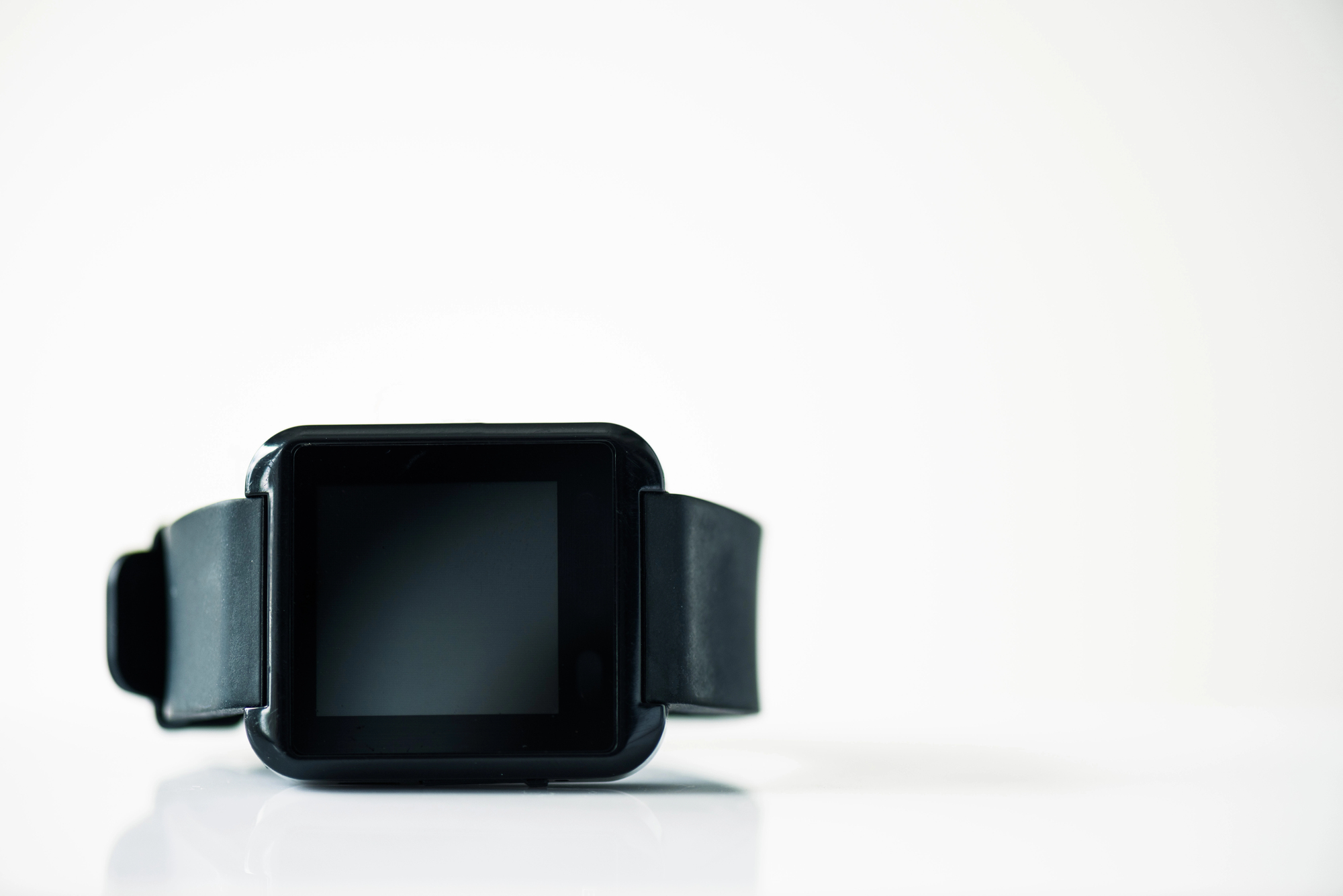
The 21st century took that integration further. Smartwatches became an evolution rather than a replacement, merging the aesthetic appeal of classic timepieces with advanced capabilities such as health tracking, navigation, and communication. They redefined what an accessory could be; a balance between fashion and digital efficiency.
For professionals and athletes alike, the smartwatch offered something the traditional watch could not: real-time data and connectivity. Yet even as screens replaced dials, design remained central. Manufacturers realized that consumers still valued texture, material, and the tactile satisfaction of a well-crafted accessory.
Is Technology Redefining What Luxury Means Today?
Luxury no longer depends solely on opulence or rarity. Modern luxury emphasizes experience, personalization, and performance. Accessories that once served as markers of wealth now signal innovation and adaptability. A smartwatch made from recycled metals or equipped with biometric sensors can hold as much prestige as a gold pocket watch once did.
Brands have adapted by merging tradition with technology. Classic names in horology collaborate with tech companies to create devices that maintain elegance while embracing digital utility. This convergence of industries demonstrates that the modern man’s definition of sophistication includes awareness of sustainability, health, and connectivity.
How Are Smart Jewelry Changing the Game?
The evolution of men’s accessories has extended well beyond the wrist. Smart rings, bracelets, and necklaces now track sleep, monitor fitness, and support contactless payments. These innovations blend discreet design with advanced functionality, proving that technology can enhance style without compromising aesthetics.
Among the most promising developments is the introduction of hearing glasses, a new generation of wearable technology that combines hearing assistance with elegant eyewear design. Unlike traditional hearing aids, these devices integrate seamlessly into everyday accessories, offering users both auditory support and visual sophistication. For professionals, travelers, and active individuals, they represent a discreet yet powerful blend of form and function.
This category of innovation signifies how men’s accessories are evolving toward multifunctionality. Where once a watch measured time, today’s accessories manage health, enhance perception, and even extend digital communication. The concept of “wearable intelligence” captures how the boundary between fashion and technology is becoming increasingly fluid.
How Have Cultural Values Shaped Modern Accessory Design?
Men’s fashion has always reflected social values and technological progress. The move from handcrafted items to digital accessories parallels broader cultural shifts: urbanization, globalization, and the rise of personalized consumerism. Modern accessories must meet diverse expectations: they need to look refined, perform efficiently, and align with environmental awareness.
The current generation of consumers also values authenticity. While earlier trends celebrated extravagance, today’s market rewards subtlety and practicality. The minimalist design of smart accessories reflects this mindset. Clean lines, neutral tones, and sustainable materials communicate confidence without excess. In this sense, technology has not diminished style; it has refined it.
Accessories now carry emotional and psychological value. They act as extensions of personality, tools of productivity, and statements of mindfulness. A smartwatch on a wrist, a ring that records fitness data, or hearing glasses that merge sight and sound, each symbolizes how modern men redefine luxury through purpose.
What Does the Future Hold for Men’s Accessories?
Looking ahead, the future of men’s accessories will likely continue blending aesthetics with intelligence. Artificial intelligence, augmented reality, and biotechnology are already shaping the next phase of wearable innovation. Smart fabrics and responsive materials will allow accessories to adapt dynamically to the wearer’s needs, from temperature regulation to biometric feedback.
Customization will play a crucial role. Consumers expect products tailored to their lifestyles and values, whether that means eco-friendly production, adaptive technology, or exclusive design. The boundary between fashion, health, and connectivity will blur even further, making accessories indispensable companions in both personal and professional life.
Sustainability will remain central to this evolution. Just as vintage watches and leather goods once defined long-term value, future accessories will emphasize durability, recyclability, and ethical sourcing. The luxury of tomorrow lies not in accumulation but in conscious consumption.
Conclusion: Tradition, Technology, and Timeless Appeal
The transformation of men’s accessories from pocket watches to wearable technology mirrors a broader story of innovation and identity. Each era has redefined how men express themselves through craftsmanship, precision, convenience, or connectivity. Today’s accessories serve multiple roles: they are functional tools, design statements, and reflections of a technologically attuned lifestyle.
From the polished mechanics of the early watchmakers to the seamless integration of smart devices and hearing glasses, the evolution of men’s accessories demonstrates how tradition and progress coexist. In every form, they continue to balance heritage with innovation, reminding us that style endures when it evolves with purpose.
Photo Credit: DepositPhotos.com