

Black Americans make up 12 percent of all spirits consumers in the United States. They represent 2 percent of executive-level positions in the industry. That gap, between the people who buy the product and the people who run the companies that make it, is not an accident.
It is the product of decades of structural exclusion. And Pronghorn was built to close it.
Founded in 2021, Pronghorn is a standalone organization with a mission that goes beyond the spirits industry: to build a replicable template for how any industry can be meaningfully diversified.
The model rests on three pillars: economic investment in underrepresented founders, incubation and mentorship to help those founders grow, and a talent arm that develops diverse professionals and connects them with employment opportunities across the industry.
Over the past three years, Pronghorn has driven $428 million in economic value, 18 percent ahead of its goal on the path to $2.4 billion over a ten-year horizon. It has invested in 40 brands led by underrepresented founders. Its career pathways have helped train or hire over 500 individuals, creating more than $30 million in wages within the community.
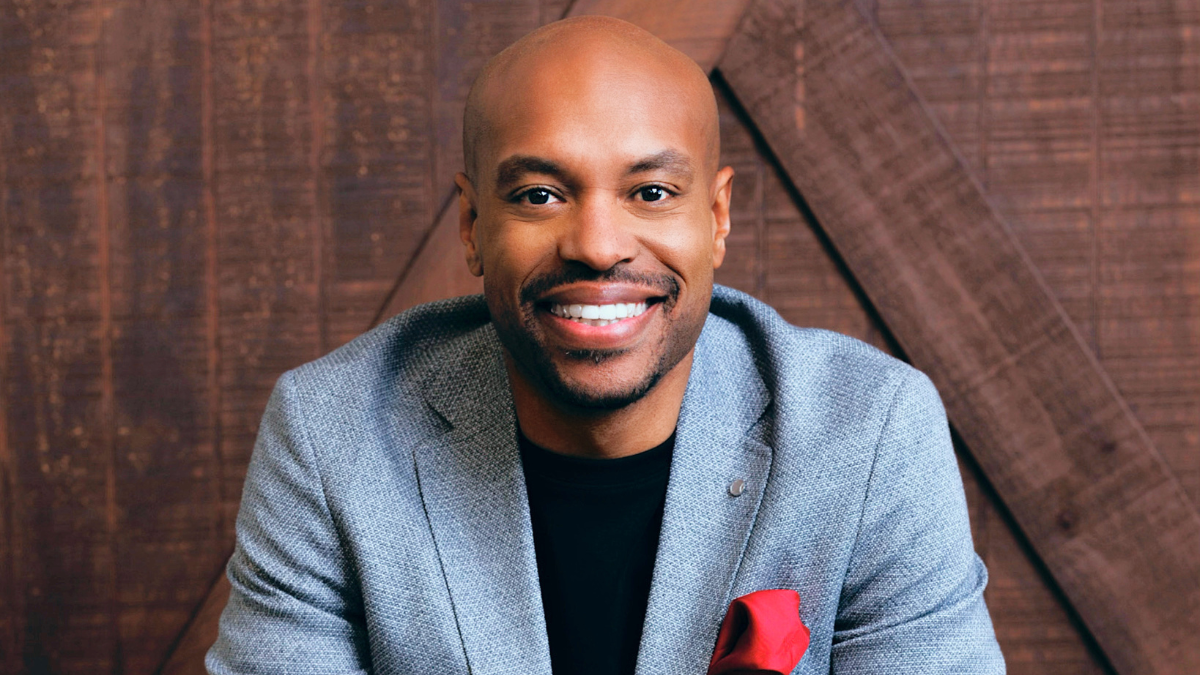
Ron Cole, who was named President of Pronghorn in 2025, came to the organization from a decades-long career in Fortune 500 consumer goods.
Cole sat down with The Quintessential Gentleman to talk about the work, the numbers, and what he believes this template can eventually become.
[Interview has been edited for length and clarity]
QG: For people who don’t know, what is Pronghorn?
Ron Cole: Essentially, the organization was formed to create a template for diversifying any industry. We do that a couple of different ways. One, we do it by investing economically in founders by infusing capital. We’ve raised a $200 million fund to invest in entrepreneurs from underrepresented communities, helping them grow, create wealth for themselves and their families, and drive economic impact as job creators. Two, we incubate them. We help them grow, teach them, develop them, mentor them, and come alongside them to help them succeed. Lastly, we have a talent arm. We work with all partners in the spirits industry to develop diverse transformational talent and help people build skills and secure jobs.
QG: You were named President last year. What made you interested in being at the top and leading this organization?
Ron Cole: My background has always been in consumer goods. I’ve always been in this space of how to develop products, how to develop brands, and how to connect them with consumers. Traditionally, I’d always been in Fortune 500, pretty large organizations, large teams, tons of leadership. And when this opportunity came across, the thing that I loved about it was it really brought me to a space of being able to do something that impacted the world in more of a cultural way. I’ve always worked on brands that were able to service everybody. But now I’m able to do it in a way that allows me to invest. It allows me to help people grow, which is what I’ve always loved to do. And then also the development of talent.
QG: When you go in to help these organizations, what does that actually look like? What are the things that are necessary for Black, diverse organizations to be able to grow?
Ron Cole: It’s really being real about where you’re at, what you’re doing, and what it takes to get to where you want to go. All of us have dreams. So many entrepreneurs, especially in our community, have amazing dreams. The connection of the dream to execution, to reality, to the fundamental things that have to be done, is where things either come together beautifully or fall apart.
First thing is: what’s your brand and what’s your liquid? Is the story simplistic enough to explain and authentic enough to make people interested? Does the actual liquid live up to what you’re saying the brand wants to be? The very next thing is where and how you’re going to get this product in front of consumers. The spirits industry is heavily regulated, with a state-by-state approval process. We say it’s a zip-code-level business. You’re in Atlanta, you might have to go to Buckhead, and for the next six months, all I want you to do is hit the 300 places in Buckhead that could potentially take your product. Focus on it. Get it sold. Go back and visit. Let people get to know you. Third, how do you market the product? You don’t have to be a Gajillionaire and spend millions of dollars to have a great social platform. You have to have some creativity, some grit, and be able to do things that get people’s attention. And then the last thing is the supply chain. That’s where you either make or don’t make your money. You’ve got to have the right cost structure, the right pricing. Those things, in concert, are much of what we spend our time on with our founders.
QG: Black Americans make up 12 percent of all spirits consumers but only 2 percent of executive levels in the industry. We consume a lot of the product, but we’re not at the table. How do you describe that gap to people who don’t understand why it matters?
Ron Cole: If I put my executive hat on, as a brand owner, someone who wants to be consumer-obsessed so that you can build brands to be successful, you’ve got to understand the demographic of who it is that you’re selling to. The Black and Brown communities have such an influence on culture. From fashion to nightlife to how people communicate to magazine culture, there are so many things these cultures influence, and spirits is one of them. How many different spirits brands have been driven by what someone heard in a hip-hop song? When brands want to connect, they tap into this community. Wouldn’t it make more sense if the people running the brands looked a lot more like the consumers they serve?
The most inclusive, diverse teams are the most successful. McKinsey has led a major study on this over the past 20 years. Every couple of years, they update it, and it’s just proven that whether it’s gender diversity, demographic diversity, or diversity of skill set, diverse teams perform better. The best commercial for diversity is commercial success. And we know that when we put diverse teams together, they’re more successful. We’re proving it out.
QG: What does Pronghorn look for when evaluating a founder?
Ron Cole: First thing: what’s your vision? Can you articulate it? Is there a spark? Are you doing this because you’re passionate about it, or just because you want a hobby? Two: What’s your perseverance and grit? What’s in your background that demonstrates you’re going to be prepared to do what it takes? When we do founder archetypes, what rises to the top is this correlation between ability, perseverance, and grit. There is a vision component. A grit component. And then there’s just pure capability: are you financially sound, are you a good decision-maker, can you think through a process? Because more than likely, you’re going to be doing this with fewer resources.
You could be a strong executor without a clear vision. You can have great vision without being an executor. We’ve got to find the right combination of both. And if there are gaps, there are ways we can stack that with our incubation, what we call supercharging, or with how we help you find talent. But in the beginning, you’re probably going at it pretty solo or with a small team. And so those are the key things we really look at.
Check out the full interview.
Learn more about Pronghorn at pronghorn.co.