

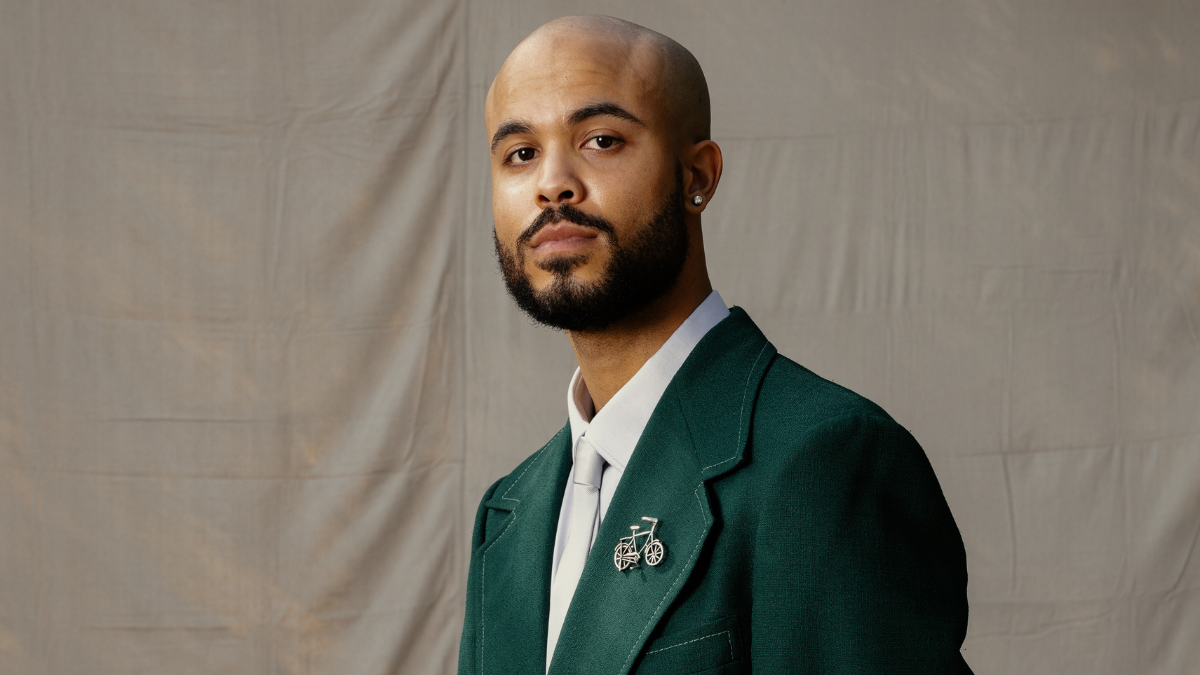
For Los Angeles-based filmmaker Ryan DeForeest, the journey to the director’s chair was a steady build of patience and self-belief. Growing up in Norwalk, California, DeForeest got his first camera at age 11 and never looked back.
He would record everything around him, making skits with his friends and talking to himself on camera. He eventually went to St. John’s University in Queens, initially studying as an acting major before having a major epiphany in a Film 101 class that shifted his path toward behind-the-camera work.
After college, he returned to Los Angeles and worked his way up from a production assistant to a full-time editor during the pandemic. Yet, despite working consistently, he found himself yearning for more. He was tired of executing other people’s visions and constantly wondering why he wasn’t helming his own projects.
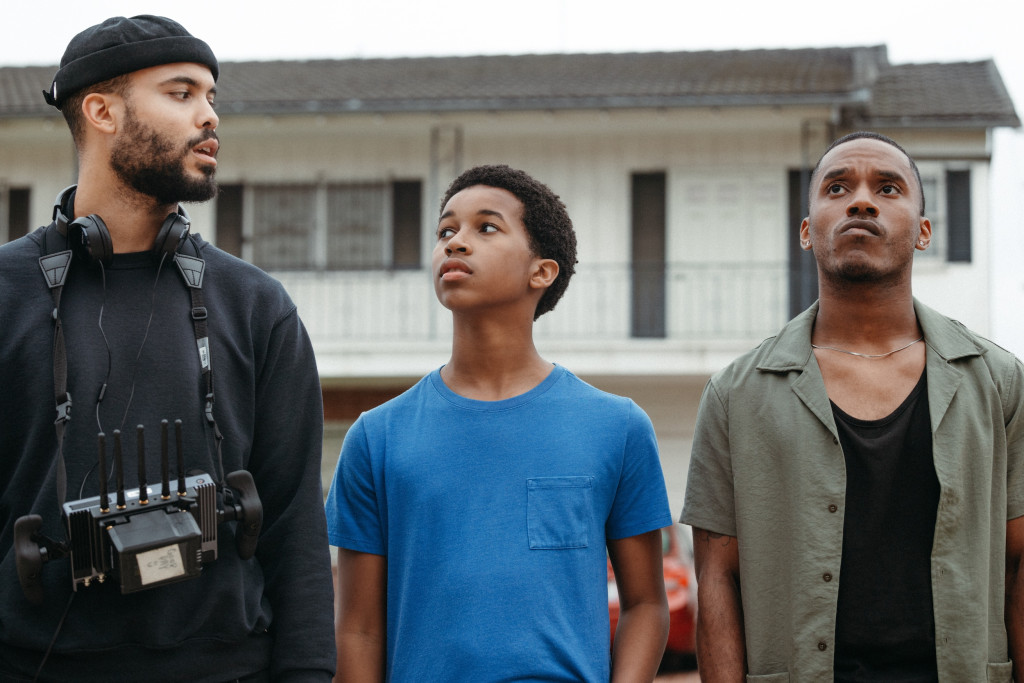
A trip to the Sundance Film Festival in 2023 was the final push he needed to write and direct his short film, My Brother & Me.
The resulting 17-minute film has since gone viral on platforms like TikTok and Twitter, sparking massive, necessary conversations about Black boyhood, queerness, and the complex dynamics of father-son relationships.
On paper, the logline for My Brother & Me hooks audiences with the intriguing premise of two brothers planning to rob their distant father for unpaid child support. It sounds like a heist or a tense drama, which successfully caught the attention of film festival reviewers and casual viewers alike. However, audiences quickly realize the premise is a masterful misdirection.
“It’s not about the child support. It’s not about… the distant father. It’s about the relationship between the brothers,” DeForeest explains.
One of the most groundbreaking elements of My Brother & Me is its portrayal of the younger brother, Terrence (Alexander Bello), and his queerness. DeForeest consciously chose to step away from the exhausted tropes of trauma-heavy coming-out stories where a character’s sexuality is the sole focal point of their existence.
Instead, the film presents a young Black boy who is simply navigating early flirtation with another boy.
The true magic of the narrative lies in his older brother Malik’s (Zechariah Eubanks) reaction. When Malik realizes what is happening, his response is not rooted in homophobia, shock, or derogatory language. He simply acts as a protective, slightly overbearing older sibling trying to give advice. DeForeest wanted to normalize this immediate, unquestioning allyship.
“I want to see a world where we can depict how a lot of people and situations are rather than living and sitting in those stereotypes that just reinforce the negative in our communities,” DeForeest says. He shared that the critical need is to represent kids who already know who they are and who they like. “Let’s give him the same grace as we do any other kid or character on screen,” he adds.
While Terrence’s story is handled with tender grace, Malik’s journey tackles a heavier burden: the “father wound”. The film demonstrates the reality that is rarely discussed with nuance in mainstream media: Black boys have daddy issues, too.
This emotional core is personal for the filmmaker. DeForeest shares that the narrative is loosely based on his older brother and their own family dynamic. Terrence is largely inspired by DeForeest himself, while Malik is modeled after his real-life older brother, who is seven years his senior and always played a supportive, guiding role. Drawing from this personal truth allowed him to craft characters that feel incredibly lived-in, honest, and undeniably real.
Malik is an older brother who has had to step into a parental role for Terrence, carrying the weight of their biological father’s absence and neglect.
Because Malik acts as the sole father figure for Terrence, he can’t protect his younger brother without confronting the man who abandoned them. As DeForeest notes regarding Malik’s emotional arc, “I felt like it was important for if he’s gonna help him… he’s gonna have to really face it head-on himself.”
Furthermore, DeForeest intentionally isolates the conflict directly between the father and the older son, actively avoiding the toxic trope of blaming mothers or stepmothers for a fractured father-son relationship.
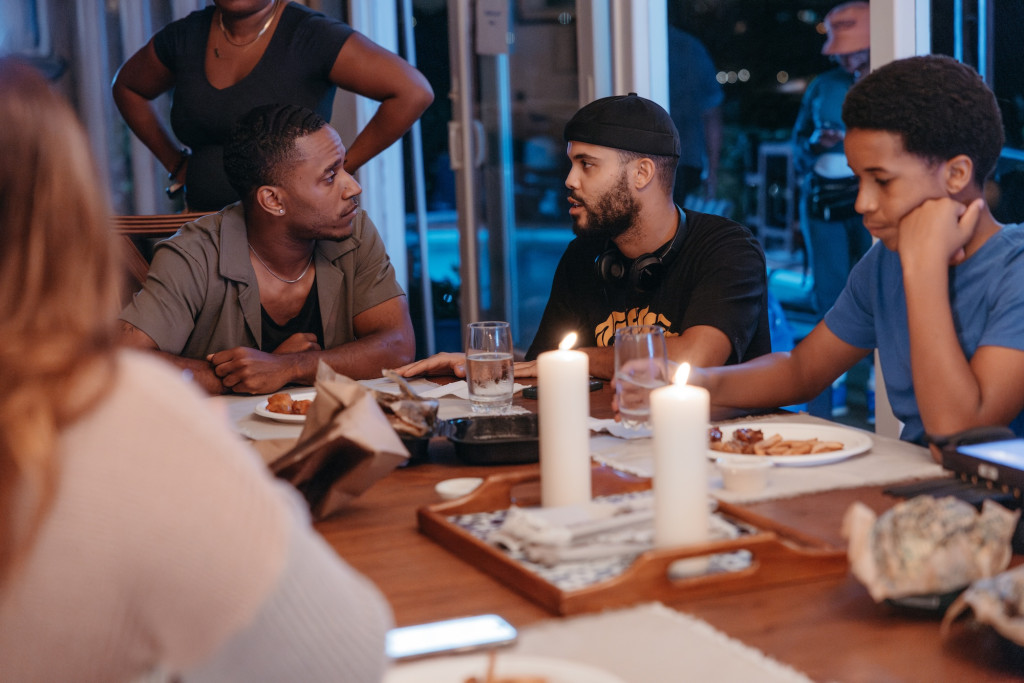
“I wanted to highlight the dynamic that I saw,” he states. “The problems are between the two of them, not because of the stepmom, not because of the other mom, not because of anybody else… but the dad and the older son.”
Yet, even with this direct accountability, DeForeest injects a level of necessary empathy for the struggling patriarch. “At the end of the day, he’s also human, right? There’s a lot of empathy that we should have for Black fathers who are just trying to figure it out or make the mistakes and don’t know how to fix those wrongs or those mistakes.”
The authenticity pulsing through the short film comes directly from DeForeest’s own life and family. Rather than trying to write a grand statement piece, he leaned into his reality. “I’m just going to write me and my brother and my family. Like, what is that dynamic?” he says.
With the short film securing an NAACP Image Award nomination last year and continuing to find new, passionate audiences online, DeForeest is now focused on developing My Brother & Me into a full-length feature film. The feature will expand on the characters’ lives, showing Malik stepping into fatherhood himself and exploring how that shifts the entire family dynamic.
Check out the full interview below and make sure to watch My Brother & Me on YouTube.
Photo Credit: Maya Iman