

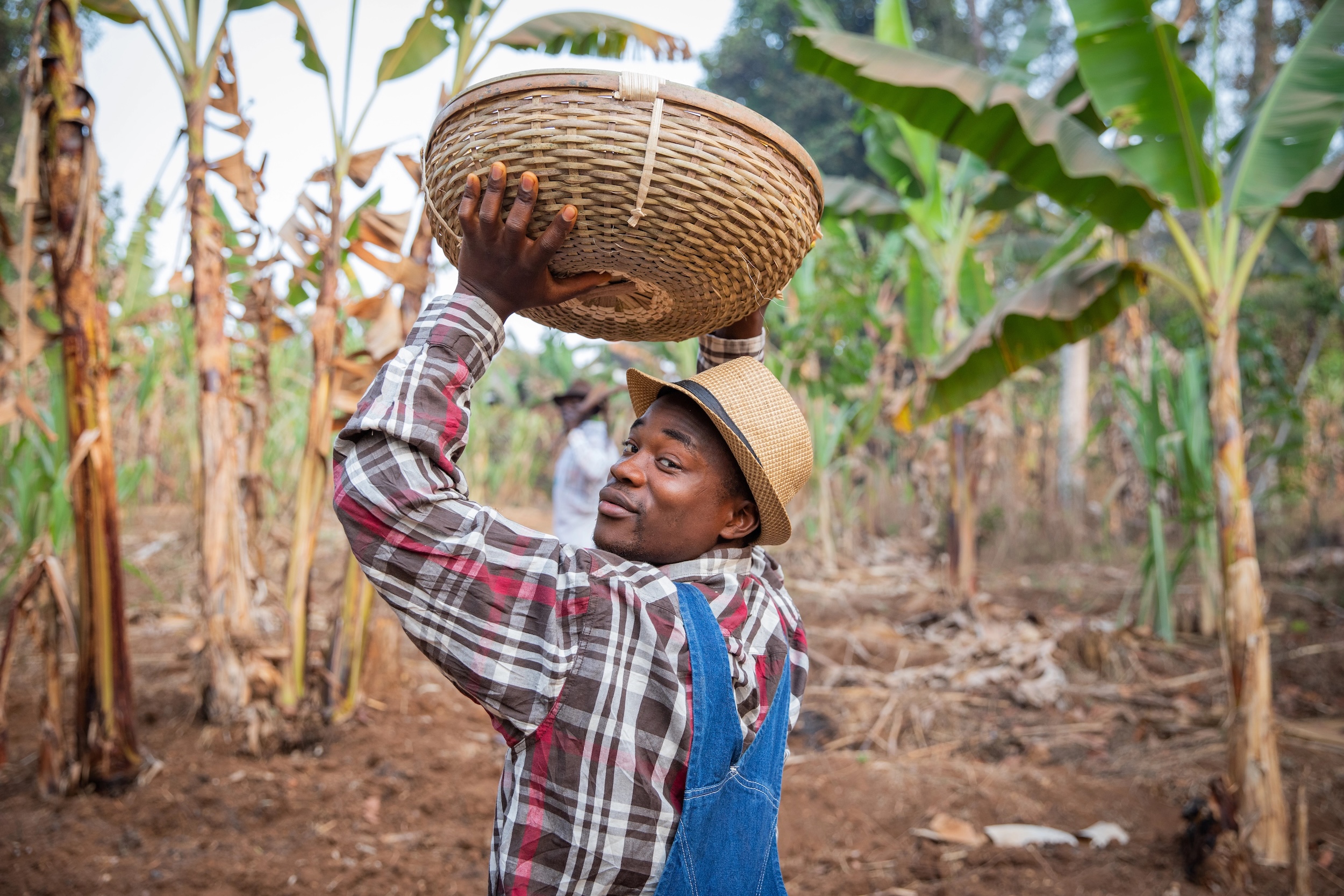
Black farmers say they are being pushed further to the margins of American agriculture under the Trump administration, shut out of key conversations and left to absorb the fallout of trade and farm policies that critics argue overwhelmingly favor large-scale, corporate operations.
That concern was brought up last week by John Boyd Jr., president of the National Black Farmers Association, who says he was denied access to a recent White House farm meeting. According to Boyd, the reason he was given was that the administration is “moving away” from Black farmer issues, DEI, and small farms.
“They said they were moving away from the Black farmer issue,” Boyd said in a recent television interview with MS Now. “They were moving away from DEI and small farm issues, and they were focusing on large-scale white farms and corporate farms because they produce the most food.”
Boyd said he wasn’t invited, and by his account, there wasn’t a single Black farmer or even a single Black person in the room. For Boyd, who has spent decades advocating for equitable treatment in agriculture, the message was unmistakable.
“I’m talking to you from my farm,” he said. “There’s no DEI on my farm. My cattle eat the same amount of hay. My tractor burns the same amount of diesel fuel. I have to produce a crop here just like everybody else.”
Beyond access, Boyd argues that policy decisions under Donald Trump have actively harmed farmers, especially those operating on smaller margins. He pointed to tariffs announced during Trump’s first presidency, and now echoed again, that disrupted key agricultural markets.
“China buys most of U.S.-grown soybeans,” Boyd said. “Canada is who we rely on for fertilizer. Mexico buys our corn. These are the president’s policies that are ruining American agriculture.”
Boyd also challenged claims that farmers have been supported through federal relief. While Trump has repeatedly said he delivered $12 billion in aid to farmers, Boyd says that money has not reached the people it was promised to.
“The farmers have not received a dime of the $12 billion,” Boyd said. “That’s what the president does. He says things, and there’s really no accountability.”
At the same time, Boyd contrasted the administration’s stance toward Black farmers with its treatment of white farmers abroad. He pointed to reports that South African white farmers were offered fast-track citizenship and land assistance, support he says Black farmers in the U.S. have never received.
“They’ve never done that for a Black person in this country,” Boyd said. “And they keep saying it’s not about race, but the actions don’t match the words.”
For Black farmers, who have long faced discrimination in lending, land access, and federal aid, the sense of being sidelined isn’t new. But Boyd says what feels different now is how openly the exclusion is being acknowledged.
“They told me they may come back in a couple of years and revisit farmers of color,” he said. “But right now, they’re moving away from it.”
As the administration continues to frame its agricultural priorities around scale and output, Boyd and others argue that such an approach ignores history and the reality that small and minority-owned farms are still producing food, employing workers, and sustaining rural communities.
“I’m a farmer just like anybody else,” Boyd said. “If I wasn’t, I wouldn’t be able to survive under these policies.”
The White House has not publicly responded to Boyd’s claims about the meeting.
Photo Credit: DepositPhotos.com