

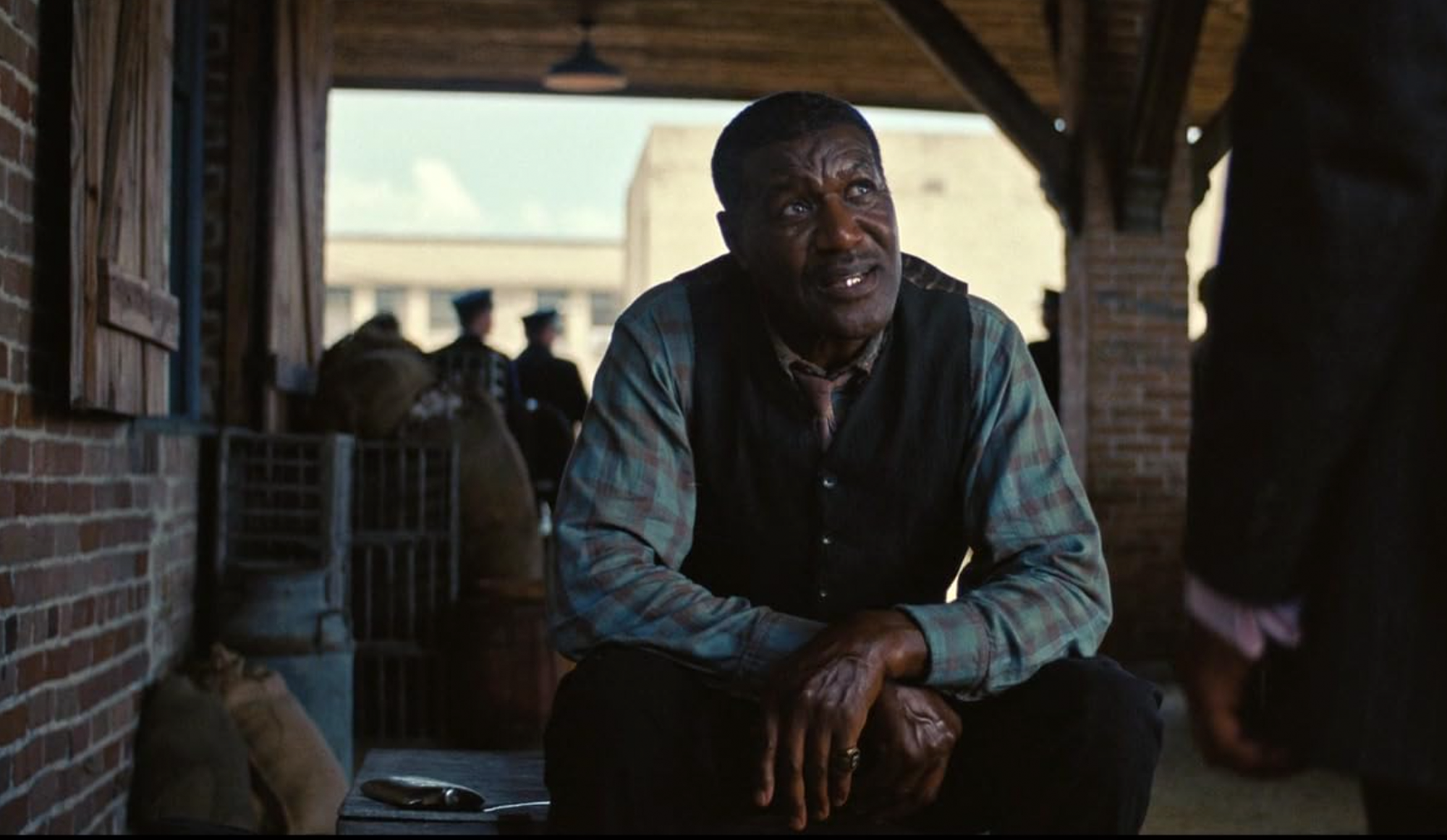
After a remarkable run in film and theater spanning more than four decades, Delroy Lindo is embarking on a new chapter in his creative life, one that expands his voice beyond acting into directing and authorship. That transition comes hot on the heels of his widely acclaimed performance in Ryan Coogler’s Sinners, one of the most talked-about movies of this year’s awards season.
Lindo’s turn in Sinners not only drew critical praise but also reaffirmed his range and depth as an actor, setting the stage for a season of reinvention and artistic exploration.
Now, he’s channeling that momentum into his feature directorial debut and the development of a memoir that will examine personal and cultural histories that have defined his career.
In a recent conversation with Deadline, Lindo revealed that his first project as a director is deeply personal. Crafted over nearly a decade, the film is set in Jamaica’s Blue Mountains and explores themes of grief, belonging, and intergenerational reconciliation.
The story centers on a young man who must confront unresolved loss and return to his maternal homeland, where community and ritual guide him toward healing.
Lindo described the project as a mix of magical realism and spiritual resonance, reflecting not just a narrative arc but a cultural inheritance. He sees the film as an opportunity to spotlight environments and worldviews that are rarely centered on screen, particularly those tied to Caribbean identity and collective memory.
Born in London to a Jamaican mother, Lindo has spoken openly about his connection to the Windrush generation and the complex legacies of Caribbean diaspora communities.
That history isn’t just informing his directorial work, it’s forming the backbone of his upcoming memoir, slated for release in 2027. Though the title has yet to be announced, the book will delve into his mother’s migration experience and the broader political context of the Windrush generation, illuminating stories of resilience, displacement, and identity that have too often been overlooked.
Lindo himself has called the memoir process both investigative and restorative, a means of unpacking inherited narratives and reframing them through a personal lens. He explained that writing the memoir has become a form of reckoning, not only with family history, but with broader patterns of cultural memory and erasure.
Stay tuned for more details from Delroy Lindo.