

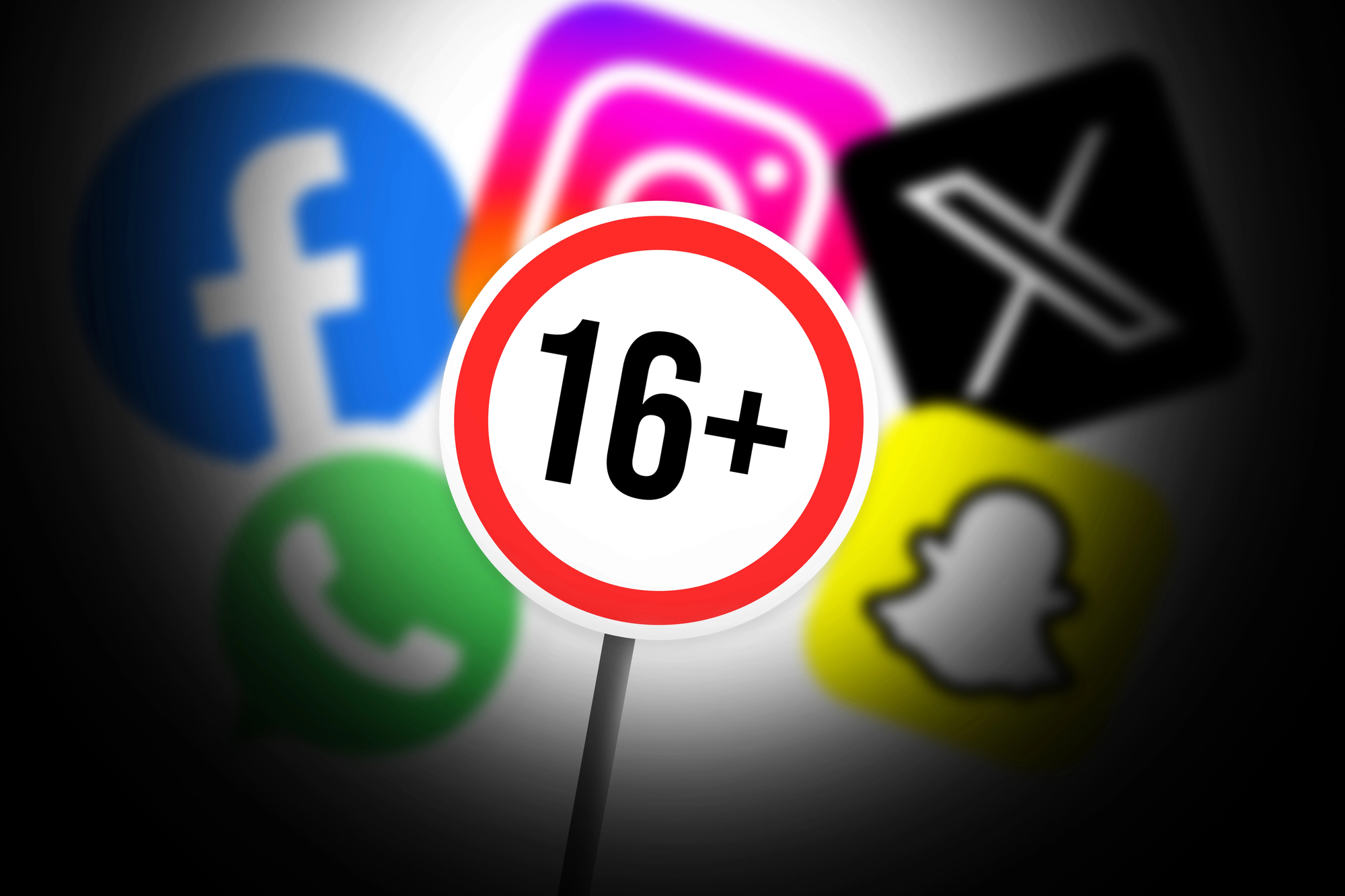
In a world-first move, Australia has officially banned children under the age of 16 from creating or maintaining accounts on major social media platforms, aiming to shield young people from what leaders describe as the online harms tied to excessive social media use.
The policy, which began enforcement on December 10, 2025, positions Australia at the forefront of a growing global debate about digital childhood and youth wellbeing.
The Online Safety Amendment (Social Media Minimum Age) Act 2024, passed by the Australian Parliament in late 2024, makes it illegal for minors under 16 to hold accounts on platforms including TikTok, Instagram, YouTube, Facebook, Snapchat, Reddit, Threads, Twitch, X (formerly Twitter), and Kick.
Platforms that fail to prevent underage access risk fines as high as A$49.5 million (roughly USD $33 million).
Prime Minister Anthony Albanese described the law as a major cultural shift designed to help young people “enjoy their childhood” and limit exposure to addictive algorithms and online pressures.
Officials have also highlighted concerns about mental health issues linked to social media use, such as anxiety, depression, and body-image problems among teens.
While the ban is gaining attention, even prompting landmarks in cities across Australia to light up in celebration, its rollout has proven challenging.
Some teens have already boasted about workarounds like VPNs or fake age data, and platforms are still working through age-verification procedures and enforcement nuances. Australian regulators acknowledge the law won’t be perfect at first, and teens slipping through the cracks may be “booted off” as systems tighten.
Critics of the ban, including tech companies and digital rights advocates, argue that it may push young users to unregulated corners of the internet rather than protecting them, and that it raises concerns around privacy, free expression, and children’s rights.
Legal challenges are already underway, with debates expected to reach Australia’s High Court in the coming months.
Australia’s policy isn’t happening in isolation. Other countries, including Denmark and Malaysia, are actively considering or proposing similar restrictions. Denmark, for example, may soon ban social media access for users under 15 as part of an effort to protect youth online.
Experts point to a broader global trend: rising concern among policymakers, parents, educators, and researchers about the link between extended social media use and declining mental well-being among children and adolescents. Some studies have connected heavy use to increased rates of anxiety, depression, and loneliness, though the effectiveness of outright bans remains a topic of debate.
The United States has not enacted a federal ban like Australia’s, yet. Instead, lawmakers and advocacy groups have focused on a mix of age-assurance measures, privacy protections, and limits on algorithmic targeting.
A proposal called the Kids Off Social Media Act (KOSMA), for example, would ban children under 13 from accessing social media and restrict personalized recommendations for users under 17.
Some state-level efforts have sought to raise the minimum age for social media use or require parental consent, but these have faced legal and implementation challenges.
The Australian example raises a fundamental question: Is it time for the United States to consider similarly bold action to protect young people online?
Supporters of stricter measures argue the mental health stakes are too high to ignore. Critics counter that such bans could infringe on individual freedoms, strain enforcement mechanisms, and create unintended consequences.
Photo Credit: DepositPhotos.com