

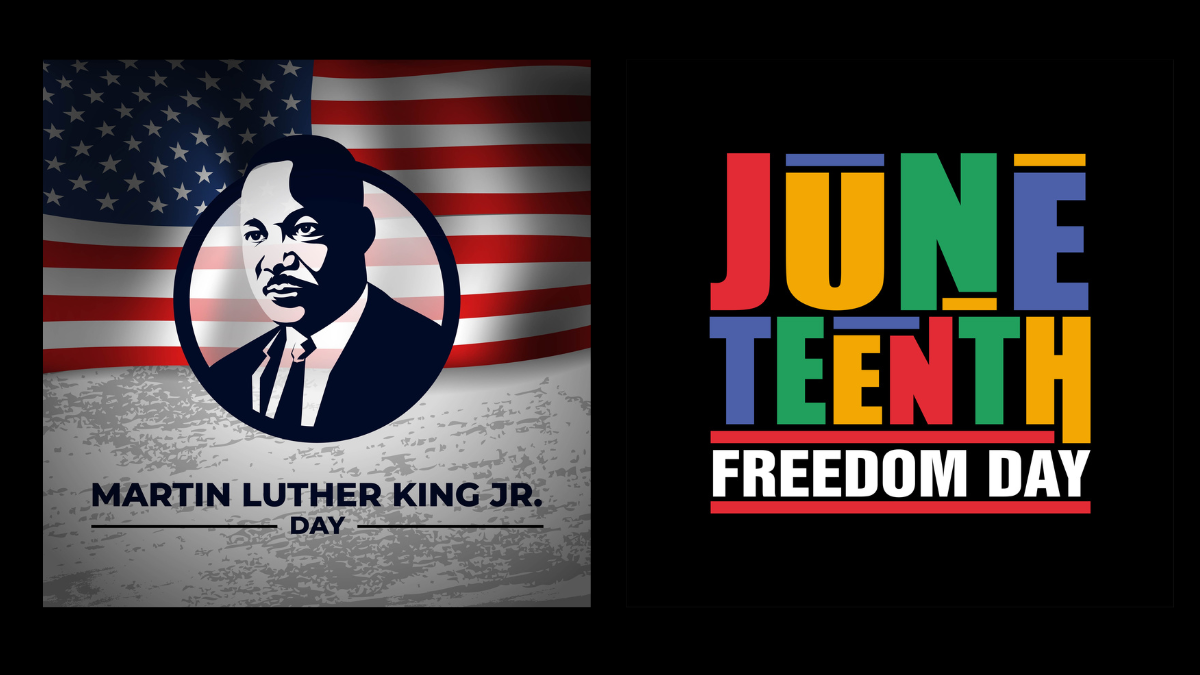
The Trump administration has updated the list of fee-free days for America’s national parks, sparking backlash from civil rights leaders and lawmakers after removing dates tied to Black history, including Martin Luther King Jr. Day and Juneteenth.
In a move many are calling tone-deaf amid ongoing national conversations about racial equity, the new 2026 schedule replaces the long-standing free-entry dates with options aligned more closely to presidential heritage, and in one case, President Donald Trump’s own birthday.
Each year, the National Park Service designates certain “fee-free” days when visitors can enter national parks without paying admission fees. Presidents have leeway to revise the list, and most do. But this year’s changes represent one of the starkest shifts in recent memory.
Removing free access to the National Parks on MLK Jr. Day and Juneteenth is exactly as racist as you think it is.
— NAACP (@NAACP) December 8, 2025
In 2025, the lineup featured four fee-free days widely tied to public lands and civil rights observances: Martin Luther King Jr. Day, Juneteenth, National Public Lands Day, and the kickoff to National Park Week. All four disappear under the 2026 calendar.
Instead, the Trump administration will recognize a very different slate of dates, including June 14 — Trump’s birthday, which also falls on Flag Day — as well as Constitution Day, the 110th anniversary of the National Park Service, and the birthday of Theodore Roosevelt. The schedule also shifts to include more traditional federal holidays such as Presidents’ Day, Memorial Day, and the three-day Independence Day weekend.
The result is a fee-free schedule centered more on patriotic and presidential themes rather than civil rights milestones, marking a distinct shift from the previous year’s approach.
Civil rights advocates immediately condemned the changes, arguing that the removal of MLK Day and Juneteenth sends a troubling message, especially given their significance to Black history.
Juneteenth, only recently recognized as a federal holiday, commemorates the end of slavery in the United States. MLK Day honors one of the most impactful civil rights leaders in American history.