

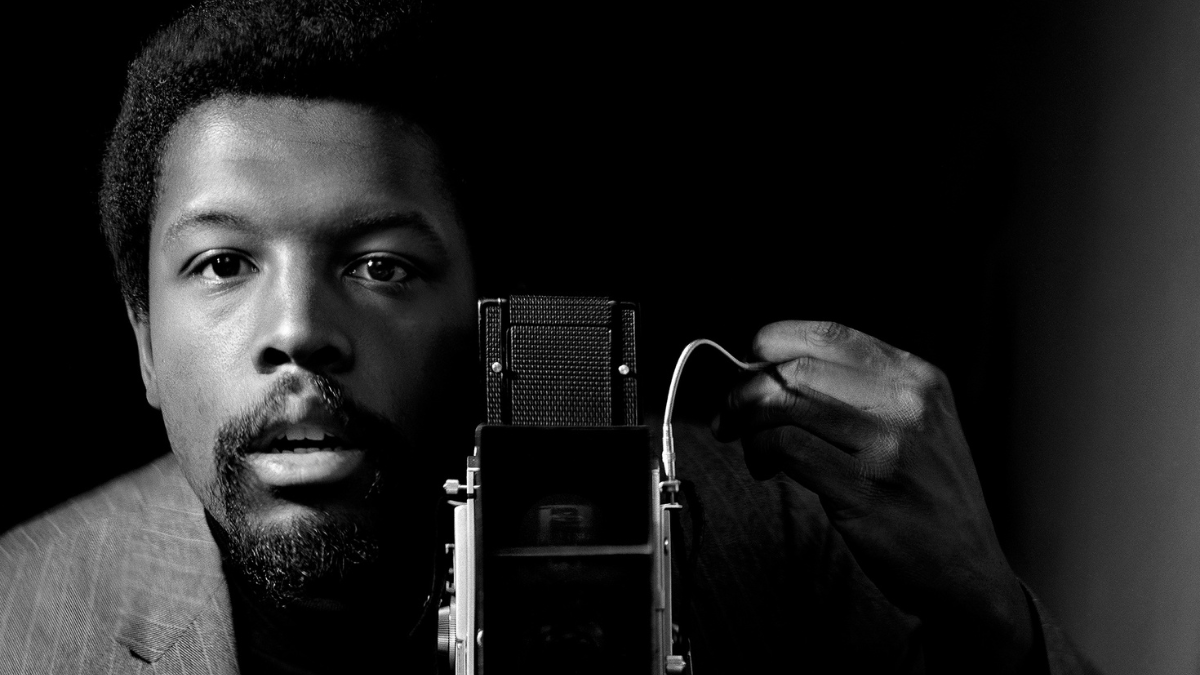
Some documentaries tell a story, and others reclaim one. Black Is Beautiful: The Kwame Brathwaite Story, directed by Yemi Bamiro, is the latter, an intimate portrait of photographer Kwame Brathwaite that blossoms into a revelation of the movement he helped spark, shape, and immortalize.
The film begins with family, quite literally. Kwame’s son and his wife take viewers on a personal journey through a storage unit filled with photos, negatives, magazines, posters, and framed prints, most of which had never been publicly seen.
Online, they found almost nothing. But here, box after box after box held proof that their father wasn’t just present in history; he helped rewrite it.
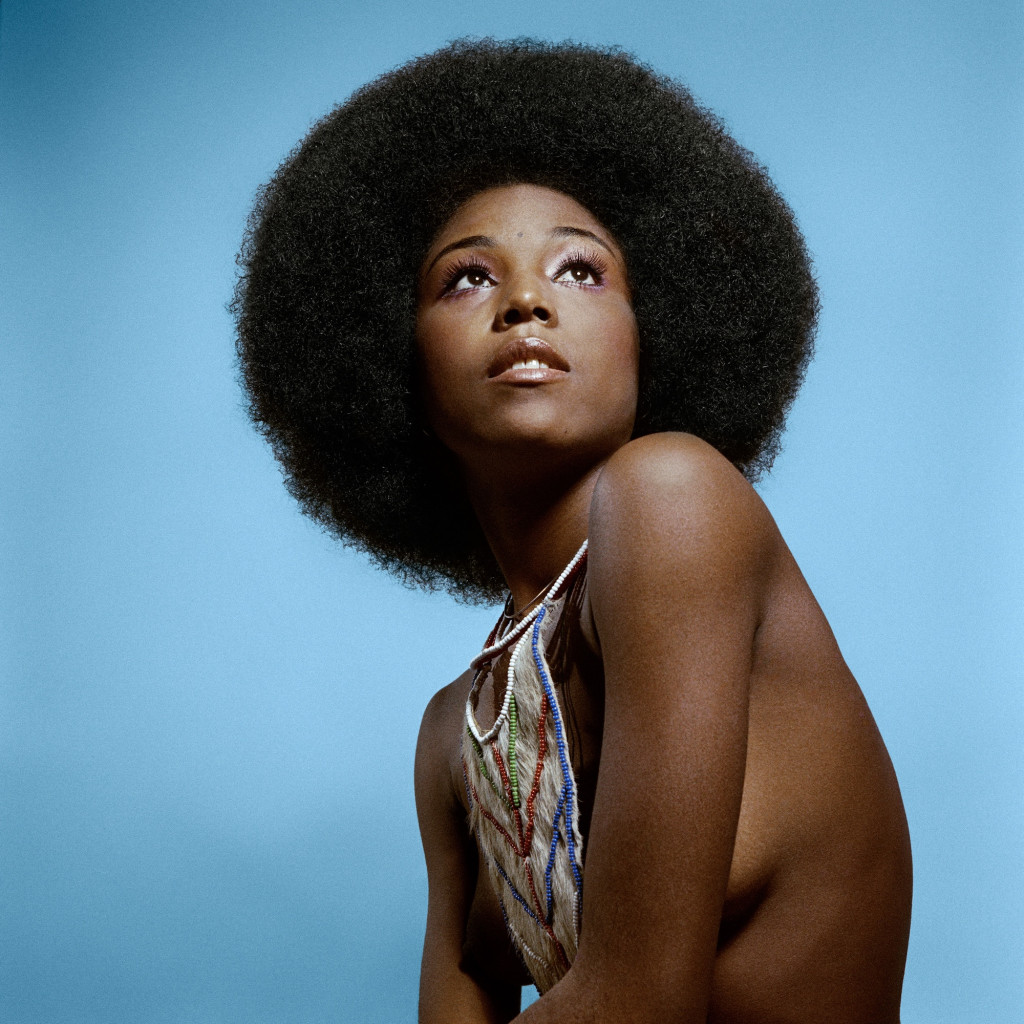
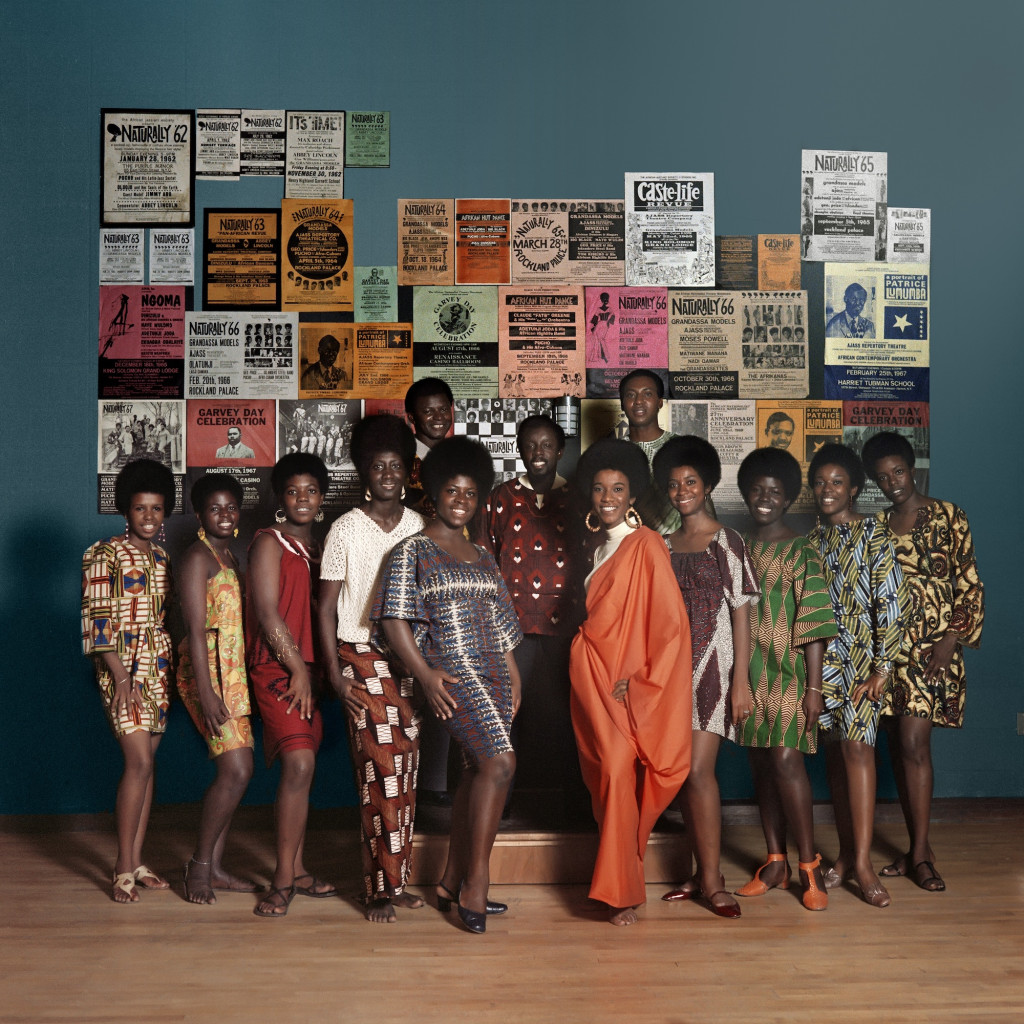
Born in Brooklyn and raised in the Bronx, Brathwaite built a visual legacy that centered the everyday, the joyful, the glamorous, and the unapologetically Black. Every photograph in this film is taken by him or of him and carries that energy. The documentary frames Kwame not only as an artist, but as the unsung godfather of the “Black is Beautiful” movement.
He famously said, “Black is beautiful now and forever,” and the film shows the truth of that statement.
The movement that Brathwaite helped popularize wasn’t about superficial aesthetics; it was about dignity. His images often feel like time capsules, capturing moments of Black freedom, joy, and power at a moment when mainstream photography saw none of those qualities as worthy of preservation.
What makes Black Is Beautiful especially compelling is how the film connects Kwame’s origin story to his mission. His wife shares that one of the reasons he became a photographer was after seeing the horrific image of Emmett Till, a moment that proved how photography could shape narratives.
But while the world fixated on Black trauma, Kwame chose to document Black life as beauty, creativity, elegance, and possibility.
As Swizz Beatz notes in the film, one reason Kwame isn’t a household name may be that “a lot of people like to collect our pain as trophies.”
Kwame didn’t feed the gaze of pain collectors; he crafted images that refused to reduce Blackness to suffering. His archive is what America rarely wanted to see but desperately needed: a Black experience whole and human.
The documentary is rich with commentary from artists like Jesse Williams, Gabrielle Union, and Alicia Keys, who contextualize his impact for today. Union delivers perhaps the most poetic explanation of Brathwaite’s legacy:
“It was political in the best possible way. Because existing as a Black person is inherently political. To be free and Black is political. To capture for all eternity the beauty and the freedom of Blackness is the most radical act there is.”
The film also smartly bridges generations. Tyler Mitchell, best known for photographing Beyoncé, appears as a contemporary heir to Brathwaite’s legacy, proof that Kwame’s influence didn’t fade but quietly rooted itself into visual culture.
Black Is Beautiful succeeds because it shows us the movement from the inside, not as a slogan but as a philosophy. It’s as much about Kwame Brathwaite as it is about the people who stood in front of his lens, confident and radiant, affirmed on their own terms.
Yes, this is a story about a photographer. But it’s also a story about reclamation, of narratives, of beauty, of Black identity. The fact that this history sat tucked in boxes for decades makes the documentary feel even more urgent, almost like a gift being handed back to the culture.
Kwame Brathwaite helped build a movement that shaped generations. Black Is Beautiful makes sure he will never again be written out of it.
Photos courtesy of The Kwame Brathwaite Story