

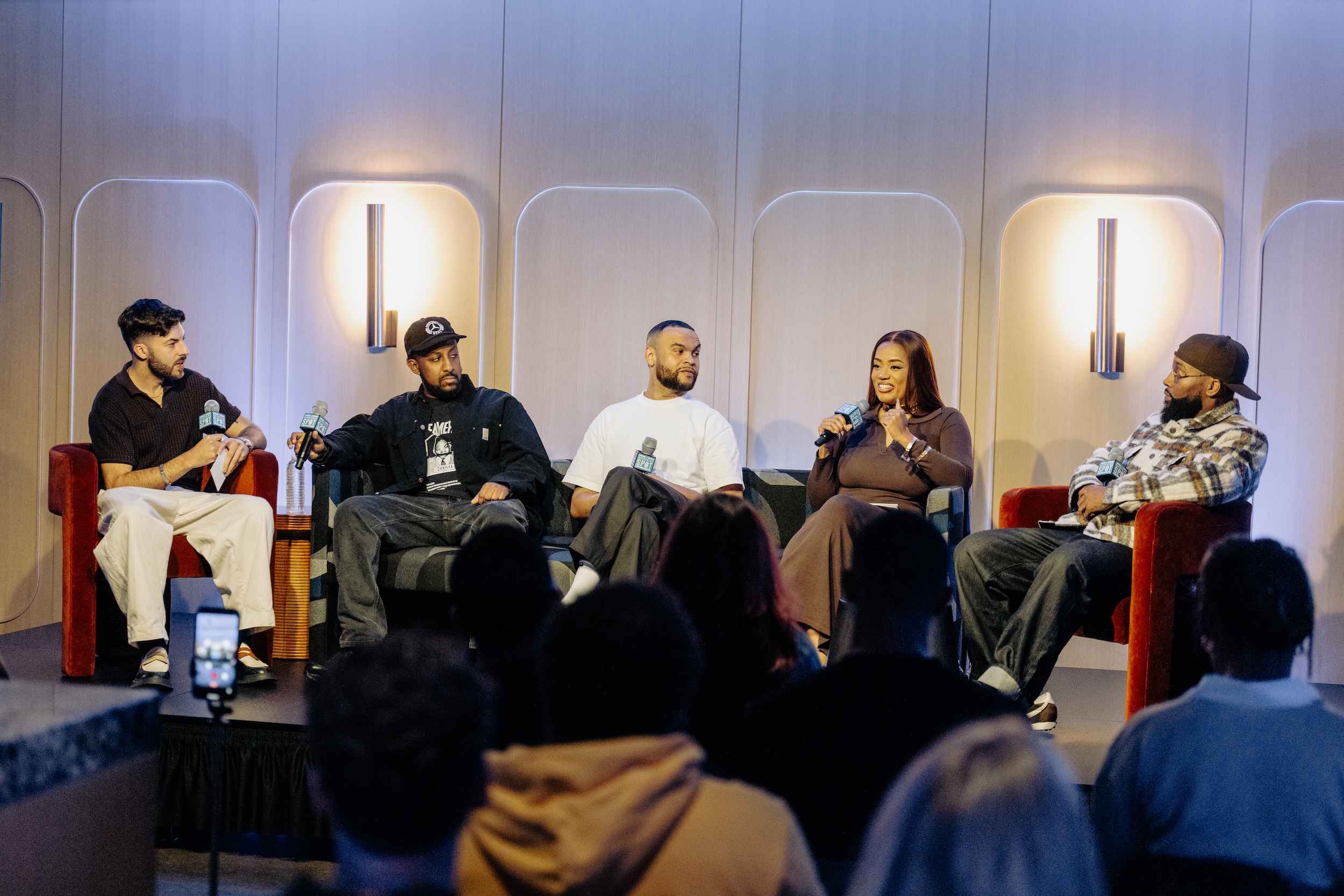
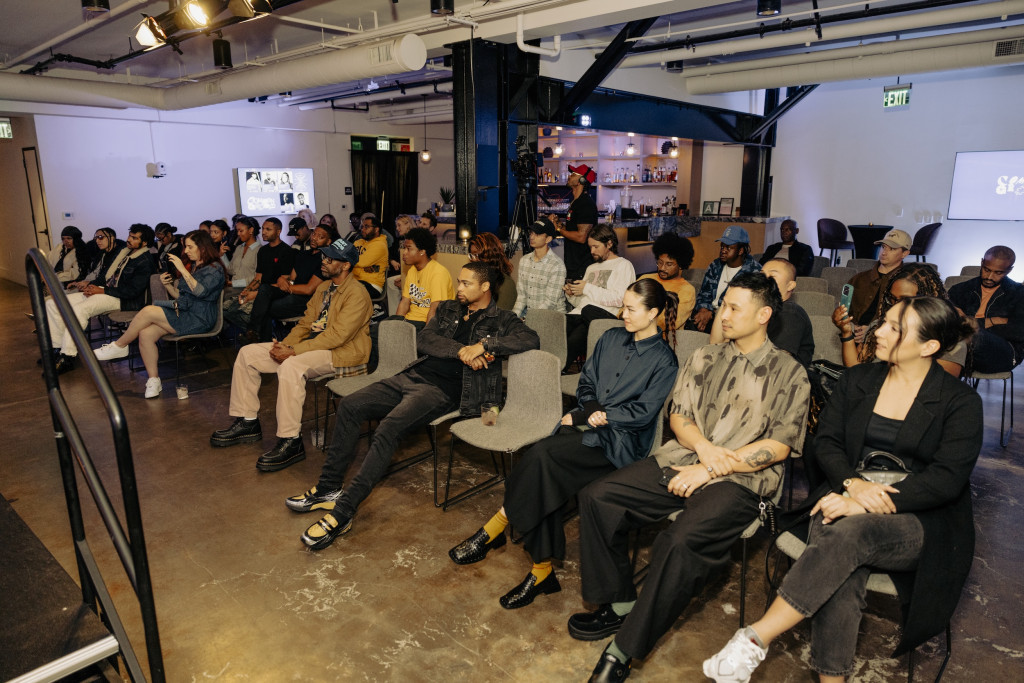
On Tuesday evening, The Gathering Spot in Los Angeles became a think tank for the music industry’s most critical question: Is today’s artist–label relationship a partnership or just a transaction?
The conversation unfolded during the debut of Common Ground, a new event series launched by Sincerely Yours, the rising music imprint founded by Chris Blackwell.
The series wants to create space for transparent dialogue between artists and the executives shaping the next era of the music business.
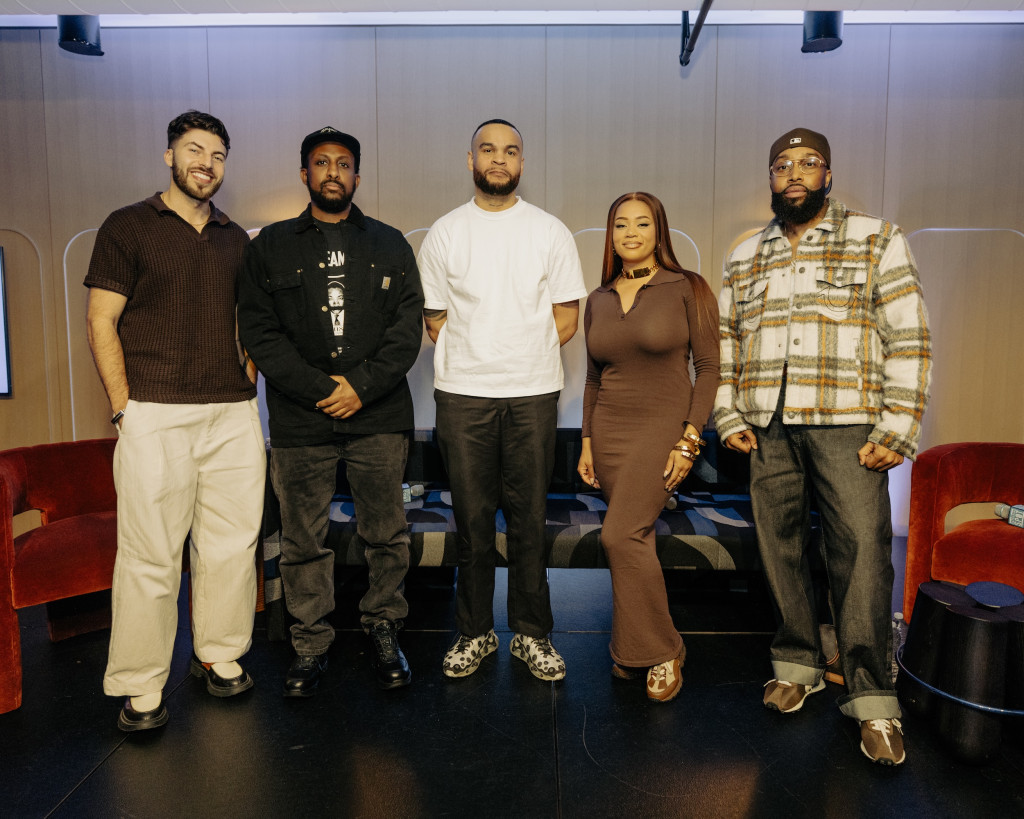
Moderated by Jeremy Hecht (UPROXX / HipHopDX), the panel brought together Grammy-nominated artist Kenyon Dixon, Henny Yegezu (CEO & Co-Founder, EQT), Shawna Peezy (VP of Marketing, Venice Music), and Blackwell himself.
Together, they explored collaboration, accountability, and what it really means to build sustainable success in an ever-evolving industry.
“The role of a label is not as traditional as what we knew,” said Dixon, reflecting on his evolution as an independent artist navigating the modern landscape. “You’re really going to labels for who’s there, not the actual title of the label, but somebody who understands your art and what you’re doing.”
For Dixon, a partnership must be rooted in respect and clarity. “I’ve built my fan base from scratch. You always want to make sure you can partner with somebody who understands that but can also expand it,” he explained. “Even being independent doesn’t mean doing it by yourself.”
From the label side, Peezy agreed that the best partnerships start with alignment. “The deal, no matter how you splice it, is a transaction,” she said. “But the actual work is the partnership. From the jump, I’m always trying to make sure we see how to get to the finish line the same way.”
Blackwell, who founded Sincerely Yours after stints at Republic Records and Volta Digital, added that education and transparency are key. “For the artists and the management team, know the deal you’re signing and the terms. Now more than ever, there are more options for artists than ever. The gatekeepers over there in the 80s and 90s, they aren’t there anymore,” he said.
Dixon emphasized that what artists crave most is honesty. “Transparency is definitely a huge part of it,” he said when asked what he was looking for in meetings when he was an independent artist. “Artists need money. We need sure ways to know that we’re going to make money if we’re doing this deal…If you’re asking for a piece of what I’ve built by myself, you have to give me something that gonna make me comfortable with sharing that with you, because I could just keep this to myself and keep doing what I’m doing.”
He shared a moment that stood out in his career — a label executive who turned down signing him, not because they didn’t believe in him, but because they weren’t ready. “They [label executive] said, ‘I can offer you whatever you want right now, but we don’t have the proper infrastructure, and we have not built it the way that I feel like it would serve you as an artist. So I’m actually going to suggest that you go take a meeting here,” Dixon said. That’s the kind of transparency that builds trust.
Peezy, whose experience spans management and major labels, described the challenge of balancing creativity with structure. “I’ve never met an artist with a lack of inspiration or ideas,” she said. “But there’s no systems…What the artist needs from today and beyond is systems so they can just plug in their creativity and be able to go from there.”
The panelists didn’t shy away from vulnerability. Each shared lessons from their own missteps; deals that went wrong, timing that faltered, egos that had to die for growth to happen.
Blackwell reflected on his early career rise and the humbling lessons that came after. “At 29, I was the youngest CEO of any of Russell Simmons’ company history,” he said. “On a Friday, I was the CEO of a company, and on Monday, I had to walk out and fire 80 of my f***king friends.”
For Peezy, the toughest lesson was letting go. “When you catch an artist, all of the things that you’re pouring into them, of just helping create this world of who they are and what it’s gonna sound like, and all these things that happen, so if you are getting it at the very beginning and you’re on the ground, it’s like, ‘Oh my God, we’re figuring it out. Oh, it’s working. People care.’ And then they decide to go a different direction. If that’s management, if that’s label, and you’re really stuck with thinking, I’ve invested this much time into this, or you even see your ideas being played out, and you’re not a part of it,” she said. “But that still stings a little bit, but I think the lesson in it is that even when they go to wherever they’re gonna do next, whatever situation it is, and you still have that relationship.”
Blackwell added a broader perspective: “It’s a blessing to survive in this industry. The longer you survive, it’s not about what you can do; it’s like, “What’s your family tree? How many people have you put on?”
By the end of the night, the conversation came full circle, back to the “common ground” the event was built upon. The music business is a marriage of art and commerce. Both sides have to be represented equally. Growth is painful, but it’s necessary.
And while the tension between art and industry will always exist, everyone agreed that the future depends on communication, compassion, and collaboration.
Common Ground marks the first of many conversations from Sincerely Yours, as the imprint aims to redefine what artist-first really means, not as a buzzword, but as a blueprint for the next chapter of the music industry.
Check out the full conversation.
Photo Credit: Seneca Williams